
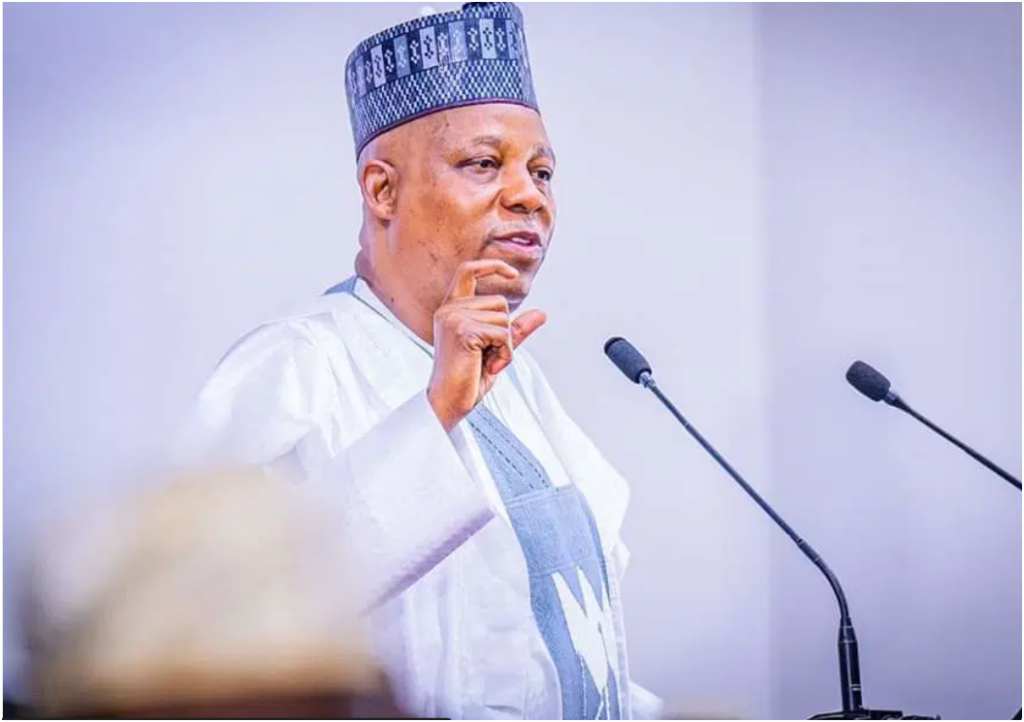
President Bola Tinubu has drawn a decisive line against Africa’s growing reliance on private military and security contractors, telling leaders at the AU–EU Summit in Luanda, Angola, that African nations must lead their own security battles rather than outsource them to mercenaries.
Represented by Vice President Kashim Shettima, Tinubu said the increasing use of private military companies in African conflicts has weakened sovereignty, distorted command structures and complicated conflict resolution.
Tinubu Rejects Private Military Contractors, Calls for African-Led Solutions
Tinubu argued that private security actors often operate with opaque mandates, conflicting loyalties and profit-driven motives that clash with national interest.
“We stand resolutely against the use of private military and security companies in African conflicts,”
he said.
“Their presence often complicates resolution efforts and undermines state sovereignty.”
He emphasised that Africa’s security challenges — terrorism, organised crime, political instability — can only be sustainably addressed through coordinated, government-led structures backed by trusted international partners.
Sahel Instability × Fragile Borders × Foreign Influence
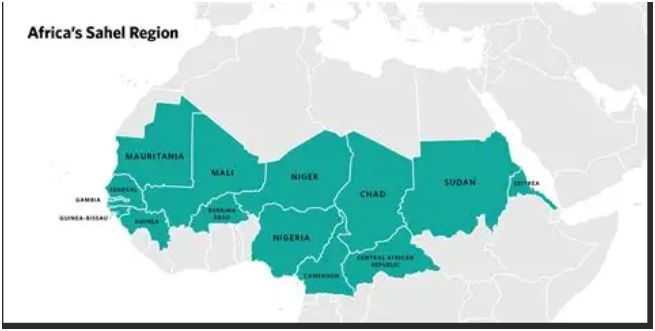
Tinudu’s remarks come at a time when the Sahel region has seen an explosive rise in lethal militancy and coup-driven instability.
Countries such as Mali, Burkina Faso and Niger have increasingly turned to private military entities as their primary security infrastructure collapses.
Nigeria insists this model is dangerous, citing examples where mercenary deployments:
- disrupted national command chains
- escalated violence
- triggered civilian rights violations
- reduced accountability
Nigeria’s Security Doctrine: State Power, Not Outsourcing
Tinubu reaffirmed Nigeria’s long-standing doctrine under ECOWAS and AU frameworks that sovereign forces, not private outfits, must lead counterterrorism and peacekeeping operations.
Nigeria’s position aligns with its recent:
- recruitment of 20,000 new police officers,
- deployment of forest guards,
- intensified joint military-intelligence operations,
- fortification of schools and worship centres.
The message: security cannot be subcontracted.
Europe Responds: Mutual Respect & Shared Goals
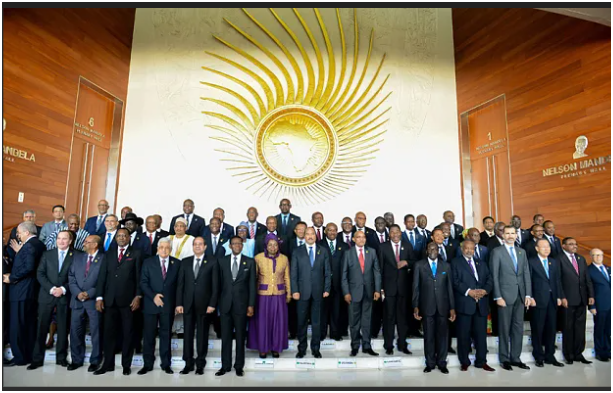
EU leaders acknowledged Nigeria’s position, with several diplomats emphasising the need for transparent, multilateral cooperation rather than covert contractor arrangements.
The AU–EU summit, centred on peace, security and multilateral reforms, marks Tinubu’s most forceful foreign-policy statement on Africa’s defence sovereignty so far.
This is IDNN. Independent. Digital. Uncompromising.
