
🟥 ₦3.3 Trillion Power Push — Ambition Meets Longstanding Crisis
Nigeria’s electricity sector is once again at the centre of national economic policy, as President Bola Ahmed Tinubu rolls out a ₦3.3 trillion intervention plan aimed at stabilising power supply across the country.
The initiative targets improvements in generation, transmission, and distribution — three pillars that have long struggled under systemic inefficiencies, infrastructure gaps, and regulatory uncertainty.
Officials describe the plan as a decisive step toward unlocking reliable electricity, a critical enabler for industrialisation and economic expansion.
🟨 Power Reform or Power Gamble? The Stakes Could Not Be Higher
At its core, the Tinubu power sector ₦3.3trn plan is not just about electricity — it is about economic survival.
Nigeria’s manufacturing sector continues to operate below capacity, largely due to unreliable power supply. Small and medium enterprises, the backbone of the economy, remain heavily dependent on costly diesel and petrol generators.
👉 The implication is clear:
Fix power — and productivity rises.
Fail — and economic stagnation deepens.
🟦 Where the Money Goes — And Why It Matters
The intervention is expected to address:
- Generation capacity gaps — increasing output from existing plants
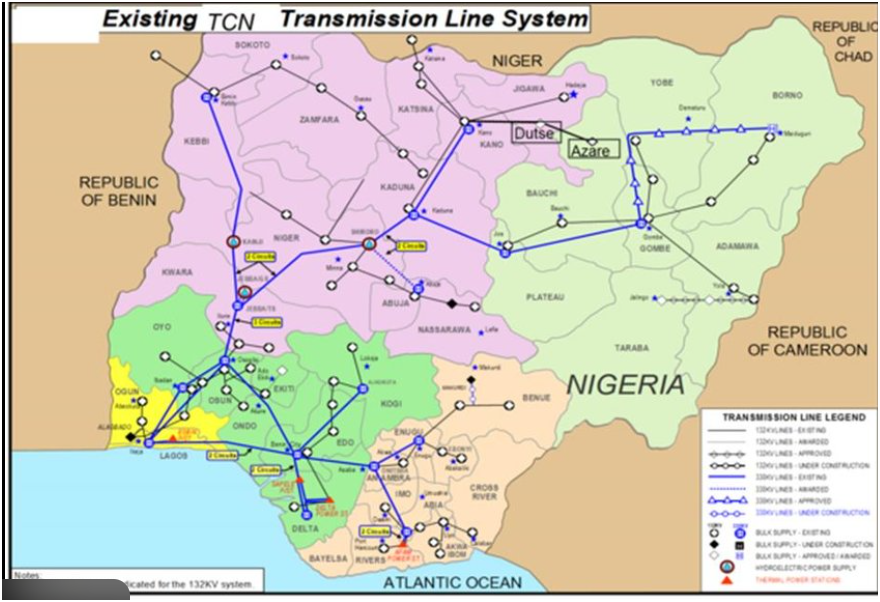
- Transmission bottlenecks — improving grid stability and reach
- Distribution inefficiencies — reducing losses and improving billing systems
However, analysts caution that funding alone does not guarantee results.
“The Nigerian power sector has historically absorbed investments without delivering proportional outcomes,” a Lagos-based energy analyst noted.
🟥 Debt, Tariffs, and Trust Deficit — The Structural Challenges
Beyond infrastructure, deeper structural issues continue to threaten reform efforts.
🔴 Sector Debt Burden
Power generation companies are owed billions, limiting their ability to invest and maintain operations.
🔴 Tariff Controversy
Electricity pricing remains politically sensitive, with cost-reflective tariffs often resisted by consumers.
🔴 Distribution Weakness
DisCos continue to struggle with metering gaps, energy theft, and technical losses.
👉 These issues form a triangle of resistance that has historically undermined reform efforts.
🟨 Execution Will Decide Everything — Not Announcement
While the scale of the Tinubu power sector ₦3.3trn plan signals intent, experts insist that execution remains the real test.
Past interventions — including privatisation efforts and previous funding injections — have delivered mixed results, often slowed by:
- policy inconsistency
- regulatory uncertainty
- weak enforcement mechanisms
👉 The difference this time must be discipline, coordination, and accountability.
🟥 Economic Impact — What Happens If It Works?
If successfully implemented, the potential upside is significant:
- Lower cost of doing business
- Increased industrial output
- Job creation across sectors
- Improved investor confidence
Reliable electricity could also reduce Nigeria’s dependence on self-generated power, saving billions in fuel costs annually.
🟦 But If It Fails — The Cost Could Be Even Higher
Failure would not just maintain the status quo — it could deepen it.
- Businesses may continue relocating or scaling down
- Inflationary pressure could persist due to high production costs
- Public trust in reform policies could erode further
👉 In essence, this is not just a policy rollout —
it is a high-stakes economic test.
The Tinubu power sector ₦3.3trn plan has reignited hope — but also skepticism — in equal measure. As Nigeria commits one of its largest financial pushes into electricity reform, the outcome will not be judged by announcements or allocations, but by a single metric:
👉 Do the lights stay on?
