
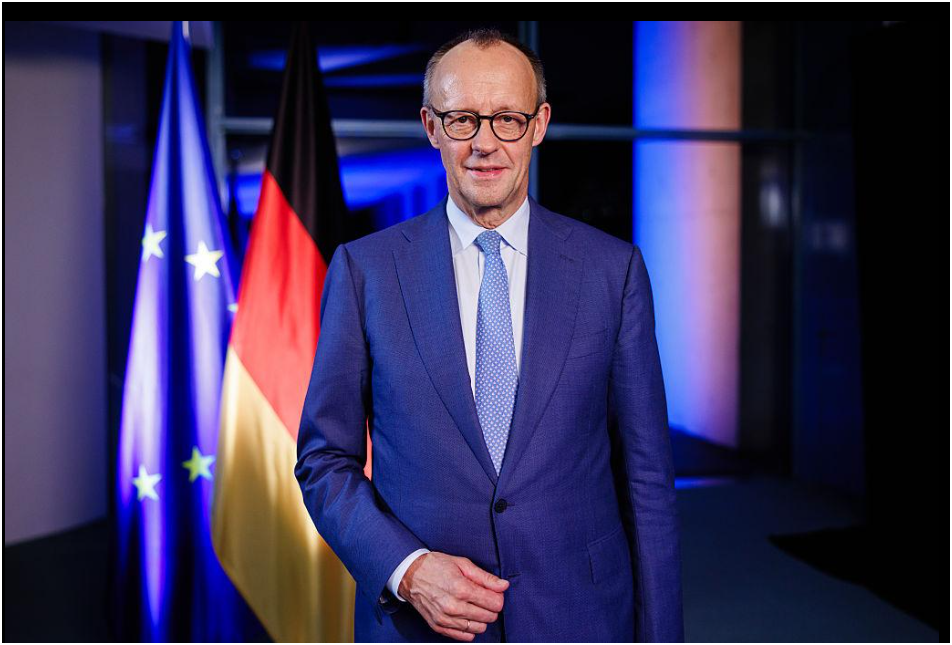
Nigeria’s diplomatic engagement with Europe gained renewed momentum as Tinubu German power security cooperation discussions unfolded during a telephone call between President Bola Tinubu and German Chancellor Friedrich Merz, centring on electricity transmission upgrades and intelligence collaboration in the troubled Sahel corridor.
The conversation, which lasted approximately nine minutes on Wednesday afternoon, focused on strengthening bilateral ties across energy, security and infrastructure sectors.
Power Transmission Returns To The Table
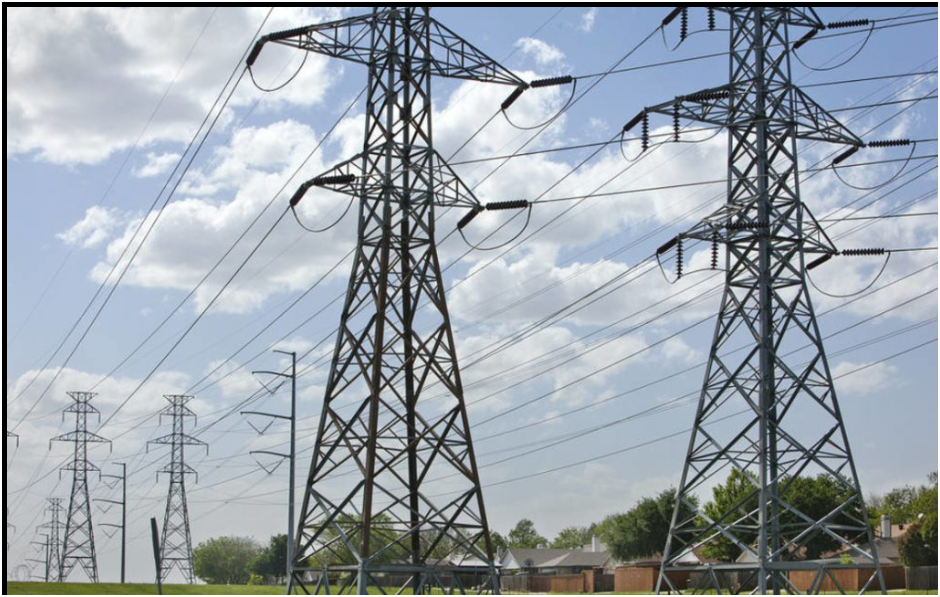
During the call, President Tinubu highlighted Nigeria’s urgent need to upgrade its power transmission network under the Presidential Power Initiative — a partnership initially conceived with Siemens Energy.
Germany signalled readiness to support transmission expansion efforts, with Siemens positioned to provide technical assistance, while Deutsche Bank expressed willingness to finance aspects of the project.
Nigeria’s electricity sector has long struggled with transmission constraints, frequent grid collapses and generation levels below installed capacity, issues successive administrations have pledged to address.
Security Pressure In The Sahel Corridor
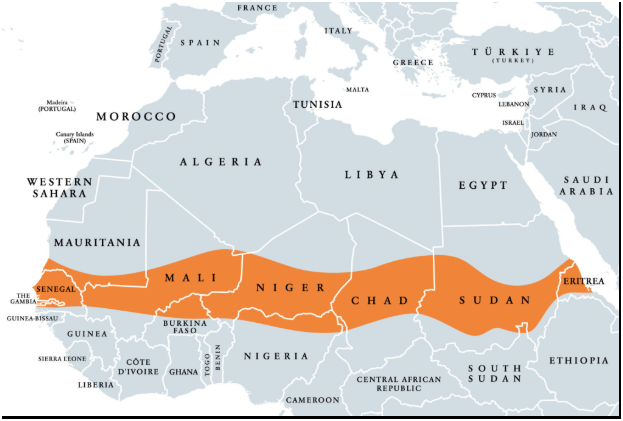
Security cooperation also featured prominently. Both leaders expressed concern over deteriorating stability across the Sahel region, where insurgent activity and armed groups continue to destabilise neighbouring states and affect Nigeria’s northern borders.
President Tinubu requested intelligence reconnaissance support, including the possible supply of used helicopters to enhance surveillance capacity.
“The Sahel corridor is bad and needs our support,” the president was quoted as saying during the discussion.
Sixty-Five Years Of Diplomatic Ties
Nigeria and Germany have maintained diplomatic relations for 65 years, and both leaders reiterated their commitment to deepening cooperation beyond traditional trade links.
Chancellor Merz indicated anticipation of Nigeria’s new ambassador to Berlin, while cultural cooperation — including discussions around creative arts and a proposed Great Museum of African Arts — also surfaced during the exchange.
The Structural Stakes Beneath The Call
The Presidential Power Initiative remains a central pillar of Nigeria’s electricity reform ambitions. While the partnership with Siemens aims to modernise transmission and distribution infrastructure, implementation has faced delays, financing constraints and coordination challenges.
By reaffirming German backing at the highest diplomatic level, the administration appears intent on accelerating stalled components of the project.
At the same time, expanding intelligence collaboration within the Sahel reflects Nigeria’s broader regional security strategy amid cross-border insurgency threats.
What This Signals For Economic Strategy
Energy reliability remains critical to industrial output, investor confidence and macroeconomic stability. Transmission bottlenecks have historically limited gains from generation capacity improvements.
If financing and technical execution align, strengthened cooperation with Germany could revive key infrastructure timelines.
However, the success of such partnerships will depend on sustained implementation discipline and alignment between federal agencies and international partners.
For now, the Tinubu German power security cooperation engagement underscores a dual-track strategy: infrastructure modernisation at home and intelligence reinforcement across volatile regional borders.
This is IDNN. Independent. Digital. Uncompromising.
