
IDNN Politics Desk
Independence Speech of Hope and Numbers
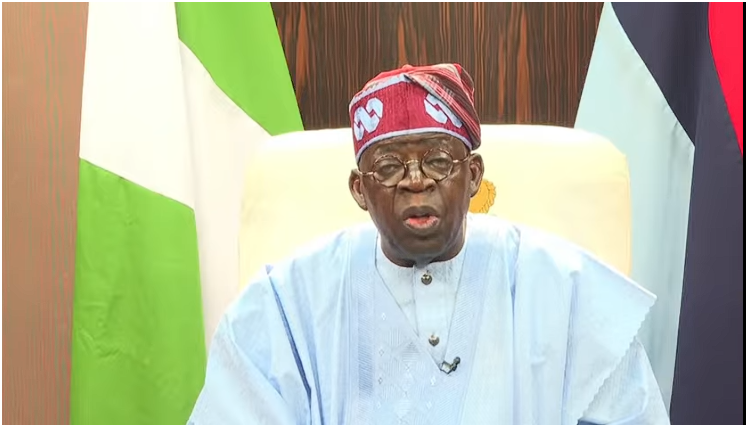
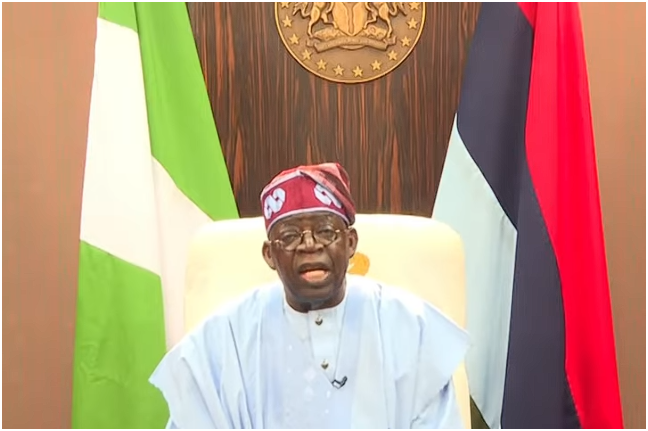
President Bola Tinubu chose Nigeria’s 65th Independence anniversary to deliver what he called proof of “a new dawn.” In a nationwide broadcast, the president listed 12 “remarkable economic milestones”, from GDP growth and falling inflation to record reserves and revived oil output. The figures painted a picture of recovery. But the contrast with rising food prices, wage stagnation, and insecurity left many Nigerians asking if the celebration was one of numbers rather than lived reality.
Growth Figures Against Empty Wallets
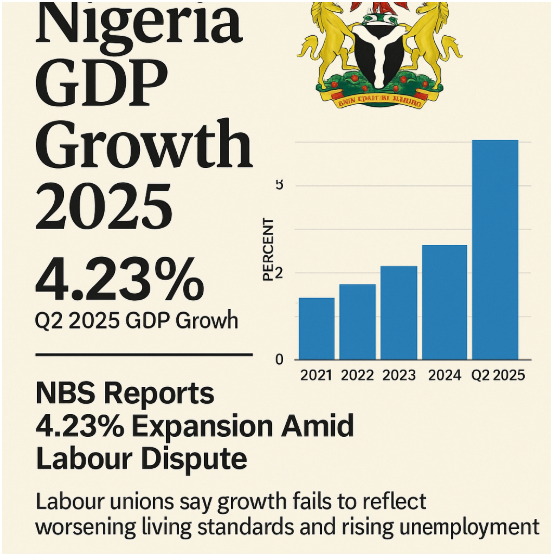
Tinubu claimed Nigeria’s GDP expanded by 4.23% in Q2 2025, its fastest pace in four years and above IMF forecasts. Inflation, which surged after subsidy removal and exchange rate unification, reportedly eased to 20.12% in August, the lowest in three years. External reserves rose to $42bn, while non-oil revenues hit ₦20 trillion by August, months ahead of targets. Yet, for workers and households, the economy feels heavier. Markets show steady hikes in staples, transportation costs keep wages under pressure, and families report no significant ease in monthly survival.
📊 Tinubu’s 12 Milestones @ 65: The Scorecard
(Source: Presidential Independence Day Broadcast, Oct 1, 2025)
- GDP Surge: 4.23% growth in Q2 2025 — fastest in 4 years.
- Inflation Drop: 20.12% in August — lowest in 3 years.
- Reserves Boost: $42.03bn external reserves, highest since 2019.
- Debt Relief: Debt service-to-revenue ratio cut to <50% (from 97%).
- Oil Output: 1.68m barrels/day, up from barely 1m in 2023.
- Trade Surplus: 5 straight quarters; ₦7.46trn surplus in Q2 (+44%).
- Non-Oil Exports: 48% of exports, nearly matching oil.
- Petrol Refining: First domestic refining in 40 years; top exporter of jet fuel.
- Revenue Record: ₦20trn non-oil revenue by August.
- Tax Gains: Tax-to-GDP ratio climbed to 13.5% (from <10%).
- Social Transfers: ₦330bn disbursed to 8m households.
- Transport Push: Rail traffic +40%, water transport +27%; Eastern Rail ₦3bn approved.
. “Nigeria is now selling more to the world than we are buying,”
Trade Surplus, Household Deficit
Tinubu highlighted that Nigeria recorded five straight quarters of trade surpluses, with Q2 2025 exports surging 44% to ₦7.46 trillion. For the first time in four decades, petrol was refined locally, while non-oil exports grew to nearly match oil. “Nigeria is now selling more to the world than we are buying,” he declared. But while these figures suggest macro strength, citizens remain caught in shortages of electricity, rising tuition, and an overstretched health system. The ripple is a paradox: Nigeria may be selling more abroad, but at home, families still struggle to buy basics.
Youth Loans, Old Questions
The president hailed youth-focused initiatives — ₦99.5bn in education loans for 510,000 students, ₦30bn Credicorp consumer loans, and the launch of YouthCred for NYSC corps members. Tinubu pledged more support through the iDICE digital and creative industries programme. Yet doubts persist: How accessible are these schemes to the unemployed and the poor? What repayment burdens await the next generation? For critics, loans are lifelines on paper but not yet proof of structural youth empowerment.
Commercial Tag: Confidence Abroad, Doubt at Home
Global investors and rating agencies have rewarded reforms with upgrades, and the stock market surged past 142,000 points, its highest ever. For banks, traders, and foreign partners, the optimism is tangible. But the commercial verdict among Nigerians remains split: while government gains breathing room to borrow and attract capital, citizens feel the cushion has not reached their dining tables or electricity meters.
This is IDNN. Independent. Digital. Uncompromising.
