
A second blaze — and rising anxiety
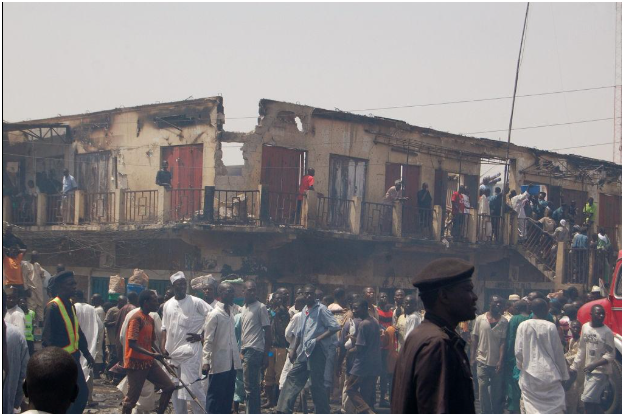
The Singer Market fire Kano outbreak, which began on Saturday evening and raged into Sunday morning, left widespread destruction across what is described as one of Nigeria’s largest food markets.
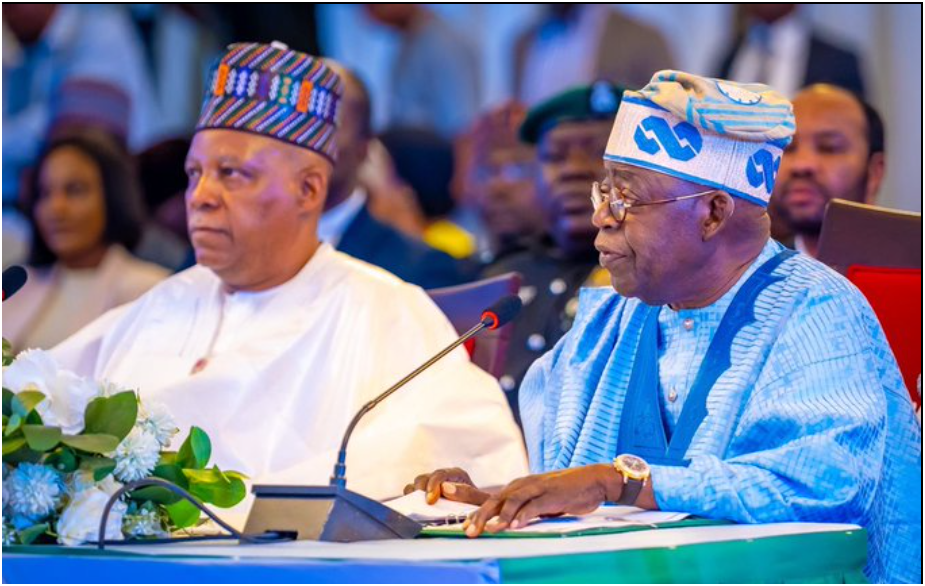
President Bola Tinubu directed Vice President Kashim Shettima to lead a high-powered Federal Government delegation to the state to express sympathy and support for affected traders.
According to presidential spokesperson Bayo Onanuga, the delegation will convey condolences and pledge financial assistance to victims, while working with Kano State authorities to facilitate swift reopening of the market.
The fire marks the second such incident at the market within two weeks.
Billions lost — livelihoods shaken
Preliminary reports indicate that traders may have lost goods worth billions of naira. While official figures are still being assessed, the scale of damage has intensified concerns over safety standards and fire response infrastructure within major commercial hubs.
Members of the delegation include Speaker of the House of Representatives Tajudeen Abbas, Deputy Senate President Barau Jibrin, Senator Kawu Ismaila, Abubakar Kabir Bichi, Minister of Humanitarian Affairs Bernard Doro, and NEMA Director-General Zubaida Umar.
The President had earlier spoken by telephone with Kano State Governor Abba Kabir Yusuf, expressing condolences and assuring federal support.
The pattern that authorities can no longer ignore
Beyond immediate relief, the President has ordered a comprehensive investigation into the recurring market fires that continue to disrupt economic activity and displace traders.
Market infernos have historically exposed weaknesses in urban planning, emergency response coordination, and electrical infrastructure in densely populated commercial centres.
When fires return within weeks, the question shifts from accident to pattern.
Fire outbreaks and the deeper vulnerability
Major food and commodity markets remain central to regional trade networks. When such hubs suffer repeated disasters, ripple effects extend beyond affected traders to food supply chains, price stability and regional commerce.
The Singer Market fire Kano incident therefore represents not only a humanitarian concern but an economic one.
A transparent investigation and credible preventative measures will determine whether this episode becomes another headline — or a turning point in urban market safety governance.
What happens next may define public trust
Financial pledges and condolence visits provide immediate reassurance. However, durable public confidence will depend on whether investigations yield enforceable safety reforms and structural accountability.
In Kano, traders are not merely seeking sympathy. They are waiting for proof that recurrence will not become routine.
The cost of repetition is no longer measured only in naira.
This is IDNN. Independent. Digital. Uncompromising.

Guardiola Reacts to Manchester City’s 2-2 Draw, Insists Title Race Isn’t Over