
Nigeria’s Senate is considering amendments to the Electoral Act that would compel the Independent National Electoral Commission (INEC) to electronically transmit election results from polling units in real time, a move lawmakers say could significantly reduce manipulation and enhance public confidence in the electoral process.
The proposal forms part of a wider report submitted by the Senate Committee on Electoral Matters, which is scheduled for clause-by-clause consideration following internal deliberations and a closed-door briefing among senators.
Under the recommended amendment, INEC would be legally required to transmit results directly from polling units to its results viewing portal immediately after counting, running simultaneously with the physical collation of results.
What Is Changing
The committee’s report also introduces stricter requirements for presiding officers, making it an offence to fail to sign and stamp ballot papers and result sheets at polling units. Lawmakers argue that this provision is aimed at closing loopholes often exploited during elections.
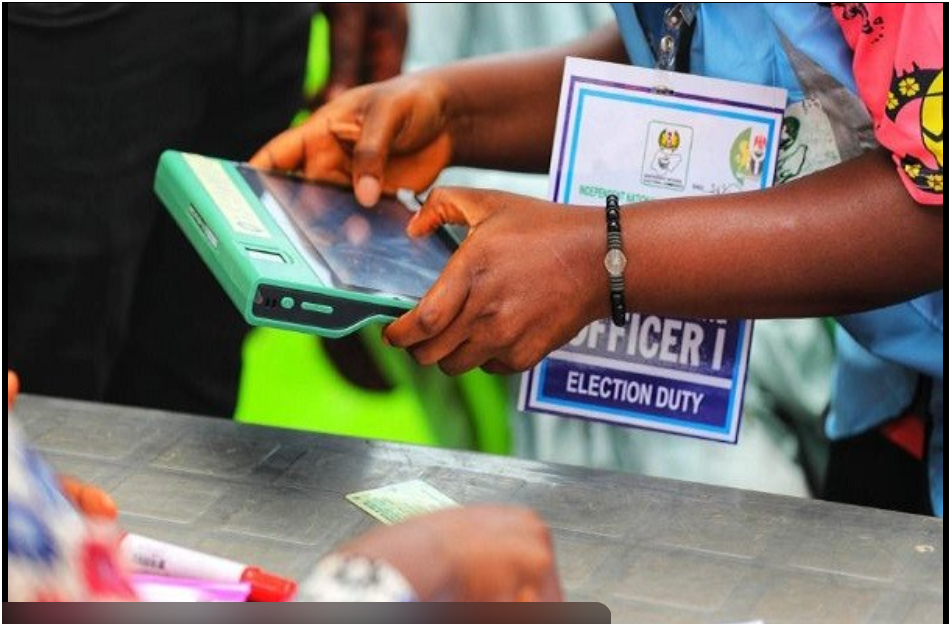
In addition, references to the “smart card reader” in existing legislation would be replaced with the Bimodal Voter Accreditation System (BVAS), formally recognising the technology as the legally approved voter accreditation tool.
Why the Senate Is Acting Now
Proponents of the reforms say repeated controversies surrounding result collation and allegations of manipulation have eroded trust in Nigeria’s elections. By anchoring realtime electronic transmission in law, lawmakers argue that future disputes could be reduced, as results would be publicly verifiable at the point of declaration.
The report also proposes tougher penalties for vote trading, including a significant increase in fines for the buying or selling of Permanent Voter Cards, in a bid to deter electoral malpractice.
Institutional Stakes
While the House of Representatives has already passed the bill, the Senate has opted for a more deliberate review, with senators agreeing to further scrutiny before final passage. Senate leadership has emphasised the need to balance reform with legal clarity to avoid unintended consequences that could complicate future elections or fuel litigation.
Election analysts note that while technology can strengthen transparency, its effectiveness ultimately depends on enforcement, infrastructure reliability and institutional independence.

What Happens Next
The Senate is expected to debate the report clause by clause before voting on whether to adopt the proposed amendments. If passed, the changes would represent one of the most consequential updates to Nigeria’s electoral framework since the introduction of electronic accreditation.
For voters and political actors alike, the outcome could determine how elections are conducted, contested and ultimately trusted in the years ahead.
