
United End Amorim Era Abruptly
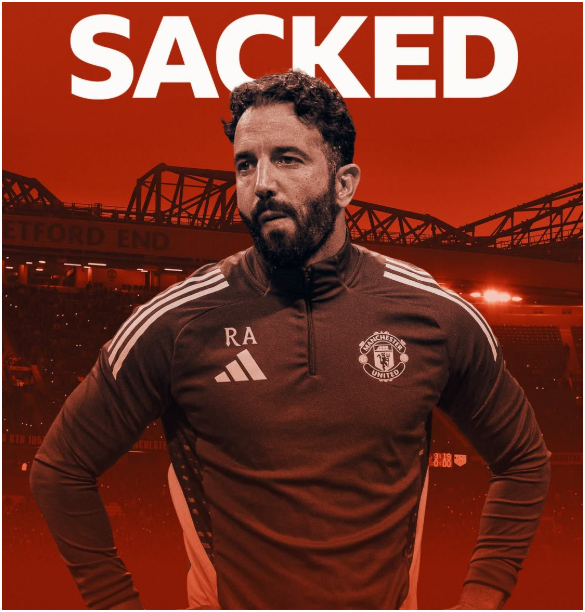
Manchester United have sacked Ruben Amorim, bringing an abrupt end to what was billed as a long-term rebuild at Old Trafford.
The decision was confirmed late on Monday after senior club figures concluded that trust between the Portuguese coach and the sporting hierarchy had irreparably broken down. Sources close to the club say the move followed weeks of internal unease and growing concern over Amorim’s public comments about authority and squad control.
From Long-Term Vision to Sudden Exit
Appointed with a reputation as one of Europe’s most progressive young coaches, Amorim arrived promising tactical clarity and cultural reset. However, that vision quickly collided with reality.
Tensions escalated after Amorim publicly questioned whether he would be backed in the January transfer window, insisting he was hired to be “manager, not just coach.” Those remarks were poorly received within the club’s hierarchy, where responsibilities are tightly structured around a modern sporting model.
Behind the scenes, doubts had already formed over results, squad harmony and tactical fit.
Authority, Transfers and Trust
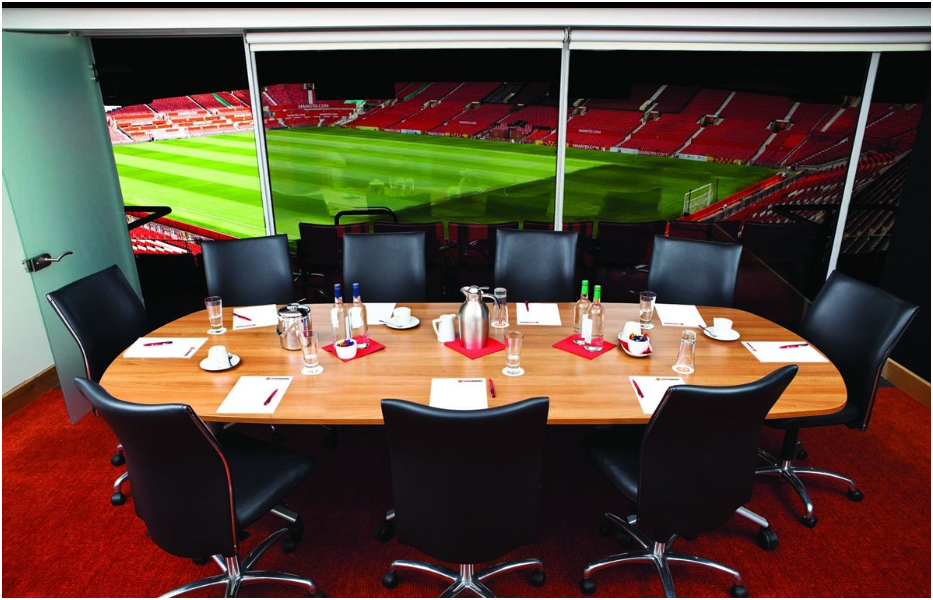
Central to Amorim’s downfall was a dispute over who truly holds power at United.
While the 40-year-old sought greater influence over recruitment and long-term planning, the club’s leadership remained reluctant to loosen existing structures. The resulting stalemate left Amorim increasingly isolated, with senior figures reportedly aligning against him as performances stagnated.
In recent weeks, United insiders described the situation as “unsustainable.”
Dressing Room and Fan Fallout
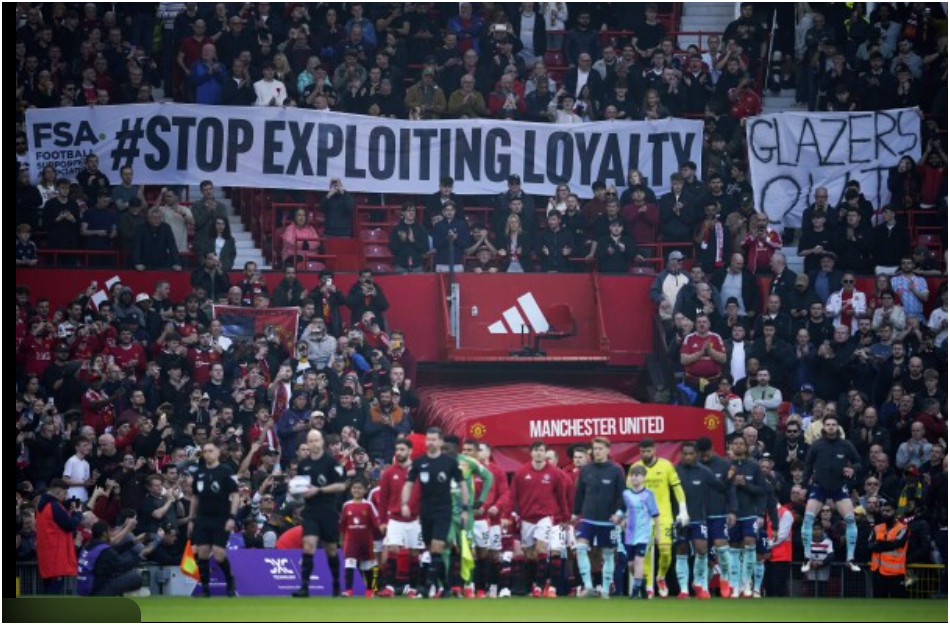
The sacking has triggered mixed reactions among players and supporters. Some within the dressing room are said to have struggled with frequent tactical changes, while sections of the fanbase argue that Amorim has become the latest casualty of a broken system.
Online reaction has been swift, with supporters questioning how another “project” has collapsed before taking root.
What Happens Next?
United are expected to appoint an interim manager in the coming hours as the club scrambles to stabilise its season. Attention will also turn to the sporting department, which now faces renewed scrutiny over recruitment strategy, managerial appointments and long-term planning.
For Amorim, the episode represents a bruising chapter but is unlikely to derail his wider reputation in European football.
For United, it is yet another reset — and another reminder that changing the coach has not cured the deeper illness.
Critics View: The Pattern Is the Problem
Since the departure of Sir Alex Ferguson, Manchester United have cycled through managers with wildly different philosophies, each promised time, none truly given it.
Amorim’s exit reinforces a growing belief among analysts that the crisis at Old Trafford is structural, not technical — rooted in blurred authority, inconsistent strategy and reactive decision-making at board level.
Until that changes, critics warn, the next appointment may simply be another name added to a familiar list.
This is IDNN. Independent. Digital. Uncompromising
