
🧮 The Math Behind the Mayhem
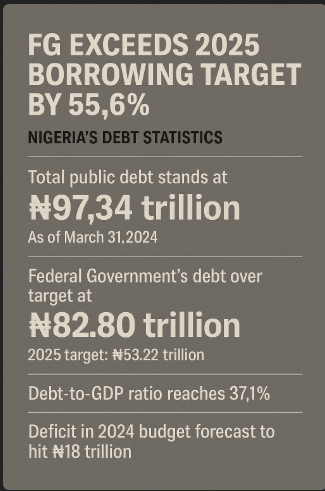
Fresh figures from the Debt Management Office show ₦15.8 trillion raised from domestic investors and ₦1.56 trillion from foreign creditors within ten months—blowing past the ₦13 trillion annual borrowing ceiling. Another $2.35 billion Eurobond is in motion, pushing the total toward ₦20 trillion before year-end.
⚠️ Experts Ring the Red Bell
“The government is drowning in its own appetite,” said Andrew Uviase of Ecovis OUC. “Borrowing without discipline has become a fiscal reflex.”
David Adonri of HighCap Securities added: “With inflation still high, heavy local borrowing crowds out factories, SMEs, and jobs. It’s a self-inflicted liquidity drought.”
💣 Crowding Out and Cracking Confidence
Analysts warn that government hunger for credit is squeezing the private sector.
Banks now prefer high-yield sovereign papers to business loans. Manufacturing slows. Investors retreat.
Meanwhile, debt-service payments swallow over 80 percent of revenue—an IMF nightmare in real time.
🧭 IMF Playbook vs Nigerian Reality
The Medium-Term Fiscal Framework promised deficit cuts below 3 percent of GDP. Reality has doubled that.
Oil output lags, non-oil revenue falters, yet public spending balloons.
Economists call it “deficit without direction.” The IMF calls it “unsustainable.”
💼 The Way Out—or Further In
Fiscal experts urge the Tinubu administration to slash waste, digitise tax collection, and widen the VAT net.
Others demand a leaner civil service and discipline in capital releases.
Without those reforms, analysts warn, “Nigeria could soon be borrowing just to pay interest.”
This is IDNN. Independent. Digital. Uncompromising.
