
Nigeria’s Commonwealth Games target has become a statement of pressure after the National Sports Commission set its sights on a possible 22 gold medals at Glasgow 2026.
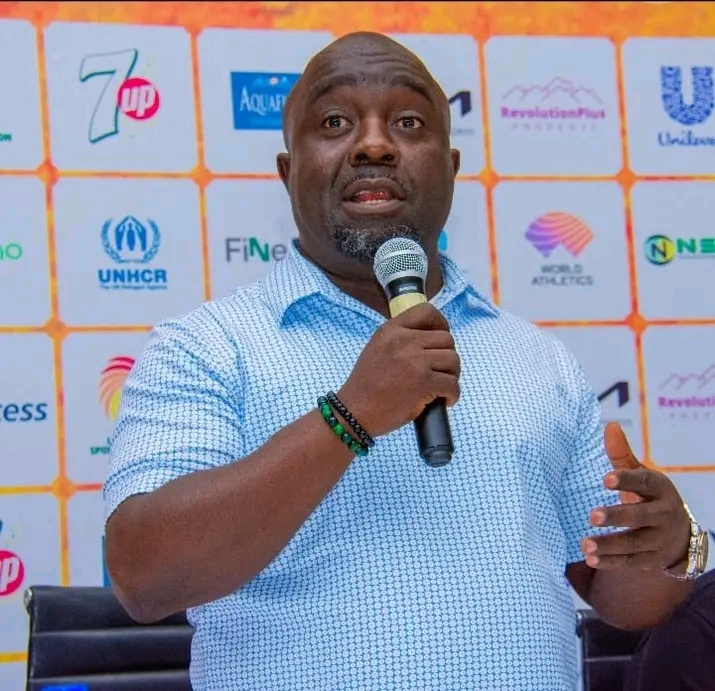
NSC Director General Bukola Olopade said Team Nigeria could go beyond the 18-gold projection of the Elite Athletes Podium Finish team and push toward 22 gold medals. He spoke in Lagos during the draw for the Nigeria National League Super 4.
That is not a small adjustment. It is a demand for Nigeria to move from hopeful participation to medal-system delivery.
Why the Nigeria Commonwealth Games target now bites harder
The number matters because Nigeria already has a recent benchmark. At the Birmingham 2022 Commonwealth Games, Team Nigeria finished with 35 medals: 12 gold, nine silver and 14 bronze. That campaign placed Nigeria seventh on the medal table and confirmed the country’s strongest modern Commonwealth Games performance.
A 22-gold target would mean almost doubling the gold haul from Birmingham.
That turns Glasgow from another major event into a test of whether Nigeria’s sports system can convert talent into repeatable podium output.
The promise now has to survive the system
Olopade linked the confidence to reforms across the sports structure, including the leadership of NSC chairman Shehu Dikko and support from President Bola Tinubu. But reforms only matter if they reach the athletes before competition pressure begins.
The question is simple. Can Nigeria identify medal-priority athletes early, fund their preparation properly, manage injuries, secure quality competitions, and reduce the usual late-stage confusion around camps, travel and allowances?
That is where Commonwealth Games medals are often won before the opening ceremony. Not just on the track, mat, platform or court, but inside planning rooms.
The women carried the last breakthrough
Nigeria’s Birmingham success was powered heavily by female athletes. The 2022 campaign became a landmark because women delivered all 12 of Nigeria’s gold medals. That gave the country a clear lesson: medal investment must follow proven performance lanes.
Athletics, wrestling, weightlifting and para-sport have already shown they can deliver under pressure. If Nigeria wants 22 gold medals, those sports cannot be treated like side departments. They must become protected medal engines.

Glasgow will not wait for excuses
The 2026 Commonwealth Games will be staged in Glasgow after the event was redesigned into a lighter, leaner format following Victoria’s withdrawal as host. Reuters reported that the Games will have a reduced programme across fewer venues, with Commonwealth Games Scotland stressing that the event will still carry major competition value.
That makes the target more complicated. A smaller Games can reduce medal opportunities in some areas. It can also make competition sharper because countries will focus harder on fewer events. Nigeria must know exactly where its gold chances are strongest, not spread confidence across empty slogans.
The number is bold, but the delivery must be colder
A 22-gold target can inspire athletes and signal national ambition. It can also expose the system if the planning behind it is weak.
Olopade’s statement has raised the bar for Team Nigeria. Now the NSC must show that the target is backed by preparation, selection discipline, athlete welfare and technical control.
Nigeria already proved in Birmingham that it can produce a historic Commonwealth Games campaign.
Glasgow will ask a harder question: whether that success was a peak moment, or the beginning of a real medal machine.
This is IDNN. Independent. Digital. Uncompromising.
