
A trillion-naira signal from Abuja
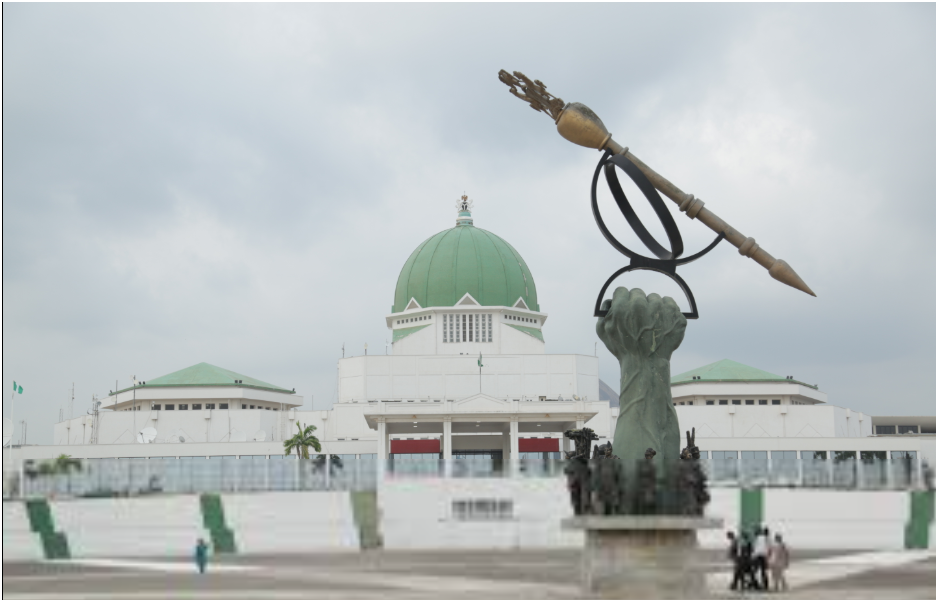
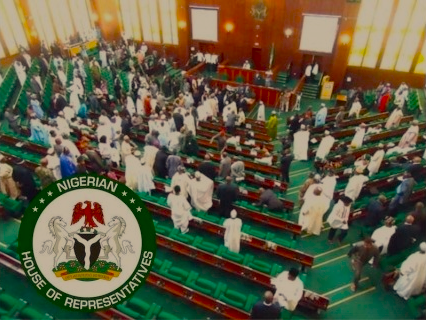
When the National Assembly approves N1.5trn Nigerian Army budget for 2026, it sends a fiscal signal at a time when security remains Nigeria’s most urgent governance test. The approval followed a joint budget defence session between lawmakers and the Chief of Army Staff in Abuja.
Legislators described the proposal as satisfactory, while acknowledging that funding implementation remains the recurring obstacle.
Lawmakers promise backing
Senator Abdulaziz Yar’Adua, Chairman of the Senate Committee on Army, said members expressed satisfaction after listening to the presentation by Chief of Army Staff, Lieutenant General Waidi Shaibu.
However, he noted that delayed release of funds continues to undermine operational planning across ministries, departments and agencies.
“The Army is critical to our nation’s security, and we will support you with everything you need,” Yar’Adua stated, pledging collaboration to ensure effective execution of the 2026 allocation.
In the House of Representatives, Committee Chairman Aminu Balele commended Army personnel for what he described as patriotism and dedication in confronting insurgency and protecting Nigeria’s territorial integrity.
Funding versus implementation
Nigeria’s security environment remains complex. Armed insurgencies in the northeast, banditry networks in the northwest and central states, and emerging cross-border militant influences have stretched military deployments across multiple theatres.
In that context, defence funding becomes both symbolic and operational. Allocation alone does not determine battlefield outcomes; timely disbursement and strategic deployment do.
Lawmakers openly acknowledged that delays in cash backing have historically disrupted procurement cycles, logistics planning and troop welfare arrangements.
Why release timing matters
The eight-figure figures dominate headlines, but the operational variable is timing. Military planning depends on predictable funding flows — from equipment acquisition to intelligence infrastructure and personnel welfare.
Repeated bottlenecks in fund releases risk eroding the impact of even the largest appropriations.
For a force engaged on multiple fronts, delay carries tangible consequences.
The system beneath the headline
Nigeria’s Revised Public Service Rules and fiscal governance frameworks require structured oversight of allocations. The National Assembly’s endorsement marks only one stage in the chain: execution depends on treasury releases, procurement transparency and command-level prioritisation.
Security budgeting operates within a wider national revenue context shaped by debt servicing, subsidy reforms and foreign exchange pressures.
That broader fiscal architecture inevitably influences defence effectiveness.
If appropriation outpaces execution
If disbursement lags behind legislative approval, the ₦1.5 trillion figure may remain more declarative than transformative. Conversely, timely releases could strengthen operational reach across insurgency-affected regions.
The test now moves from parliamentary approval to administrative execution.
In Nigeria’s current security climate, budget speed may prove as decisive as budget size
This is IDNN. Independent. Digital. Uncompromising.
