
The Age Question Returns with Force
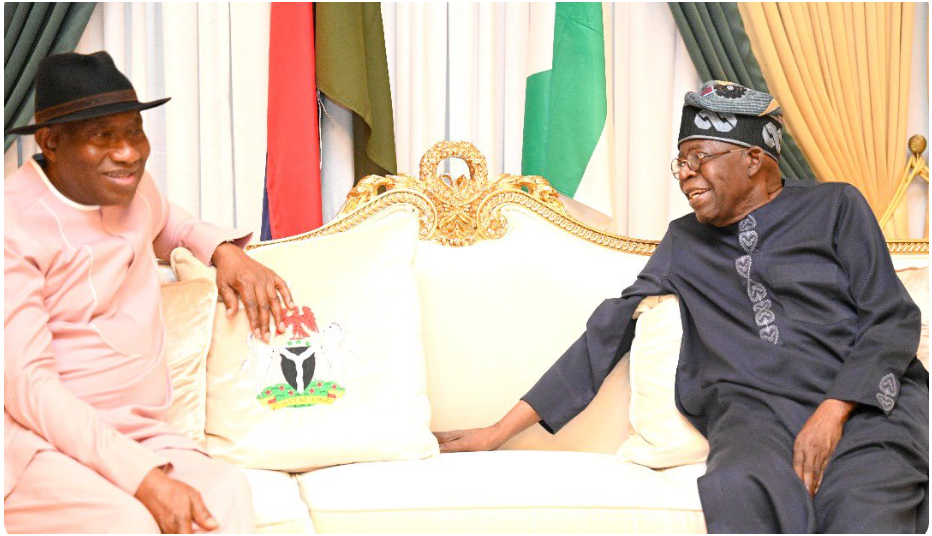
Former President Goodluck Jonathan has called for a deliberate shift toward younger leadership across Africa, arguing that the demands of modern governance favour energy, resilience and mental agility.
Speaking at the International Memorial Lecture marking 50 years since the assassination of General Murtala Ramat Muhammed, Jonathan questioned the logic of advanced age as a qualification for office.
“Why do we begin to think that you must be a hundred years old before you can rule your country?” he asked.
The Presidency Is Not A Ceremonial Seat
Reflecting on his time in office, Jonathan said presidential responsibility requires exceptional physical and psychological endurance.
He revealed that during his tenure, sleep was often limited to just a few hours, underscoring what he described as the relentless pressure of executive leadership.
According to him, the 25–50 age bracket offers a balance of maturity and vitality necessary for navigating complex political and economic realities.
Youth Alone Cannot Rescue Weak Systems
Despite his emphasis on youth, Jonathan cautioned that age alone does not guarantee competence.
He stressed that democracy depends on strong institutions, respect for the rule of law and accountability mechanisms rather than personality-driven governance.
“Democracy depends on institutions, not individuals,” he said, urging young leaders to approach public office as service, not entitlement.
Africa’s political clock is Ticking LOUDER
Across the continent, debates over generational transition have intensified, with several countries led by aging incumbents amid rising youth populations demanding representation.
Movements like Nigeria’s “Not Too Young To Run” campaign have already lowered age requirements for certain offices, but critics argue that structural barriers still limit youth access to power.
Jonathan’s remarks add renewed weight to the conversation at a time when electoral cycles across Africa are approaching critical junctures.
The cost of delaying generational renewal
The question now confronting African democracies is not simply who can run, but who can endure the demands of leadership in volatile political environments.
If generational transition continues to stall, rising frustration among youth populations could deepen distrust in democratic institutions.
The debate over age, capability and governance is no longer theoretical — it is becoming a test of political adaptability across the continent.
This is IDNN. Independent. Digital. Uncompromising.
