
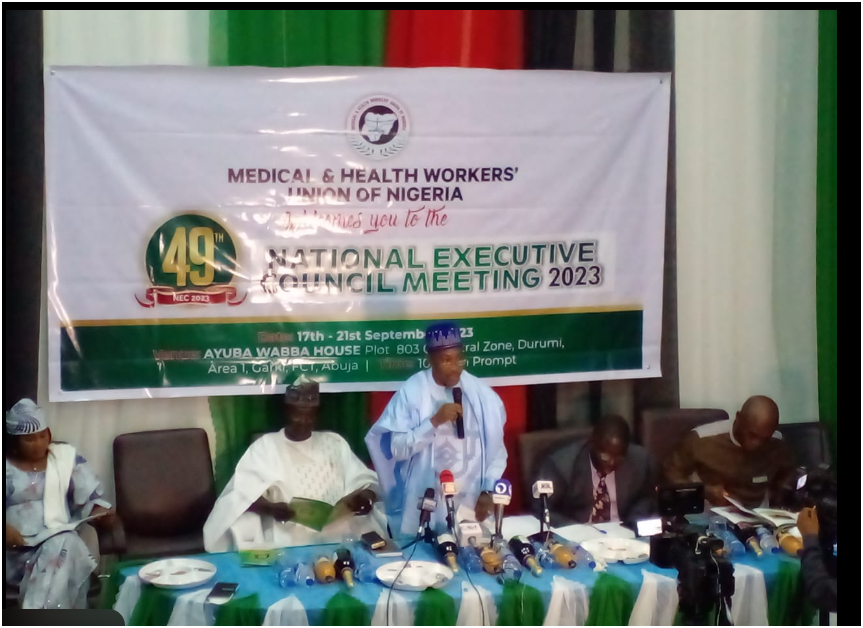
The latest JOHESU strike salary claims have brought renewed attention to long-running disputes over pay structures in Nigeria’s public health sector, pitting the Joint Health Sector Unions (JOHESU) against the Nigerian Medical Association (NMA), with organised labour bodies, the NLC and TUC, drawn into the disagreement.
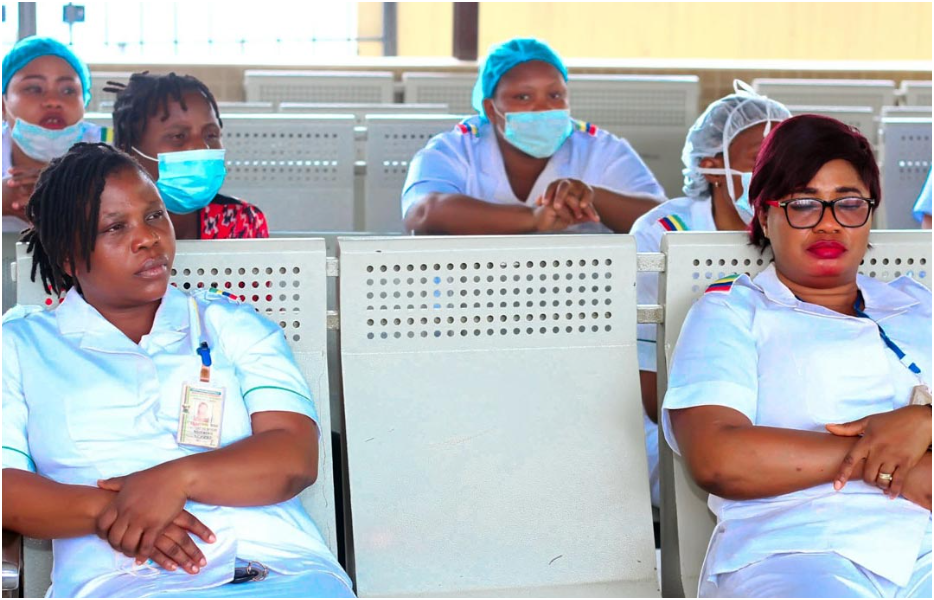
JOHESU, which represents non-physician health workers such as nurses, pharmacists, laboratory scientists and physiotherapists, has accused authorities of unfair salary treatment, arguing that existing frameworks disadvantage its members compared with doctors.
Understanding the salary structures
At the heart of the dispute are two separate salary frameworks. Doctors in public service are paid under the Consolidated Medical Salary Structure (CONMESS), while other health professionals fall under the Consolidated Health Salary Structure (CONHESS).
CONMESS was introduced to reflect the unique training requirements, clinical responsibility and career progression of medical doctors. CONHESS, on the other hand, was designed to harmonise pay across a wide range of allied health professions.
JOHESU has long argued that the gap between the two structures has widened over time, particularly following selective adjustments and allowances that it says favour doctors.
Why NMA rejects the claims
The NMA has strongly opposed calls to merge or equalise the two salary structures, insisting that the roles, responsibilities and professional obligations of doctors justify a distinct framework.
According to the association, attempts to frame the issue as simple wage discrimination overlook differences in medical training duration, clinical liability and decision-making authority in hospital settings.
The NMA has also criticised the involvement of the NLC and TUC, arguing that salary structures in the health sector should be addressed through professional and sector-specific negotiations rather than broad labour pressure.
Role of organised labour
The NLC and TUC have backed JOHESU’s position, framing the dispute as part of a wider struggle for wage equity within the public service. Labour leaders argue that disparities within the health sector undermine morale and contribute to industrial unrest.
However, critics say this approach risks oversimplifying a technically complex issue by reducing it to a binary contest between doctors and other health workers.
Impact on hospitals and patients
The strike has disrupted services in several public hospitals, affecting outpatient clinics, diagnostic services and elective procedures. While emergency services are often maintained, prolonged disputes tend to increase pressure on already stretched facilities.
Health policy analysts warn that repeated industrial actions weaken public confidence in the health system and deepen reliance on private care, with cost implications for patients.
What happens next
Negotiations between JOHESU, government representatives and other stakeholders are expected to continue, though previous talks have often stalled over the same structural disagreements.
As the debate over JOHESU strike salary claims persists, analysts say any lasting solution will require a transparent review of health sector remuneration that balances professional differentiation with fairness and system stability.
This is IDNN. Independent. Digital. Uncompromising.
