
The immigration frontline deployment crisis has intensified after Boko Haram insurgents killed an NIS officer during a raid on a joint security position near Muna, Borno State. The attack, which occurred at about 2:00 a.m., has triggered strong internal protests from immigration officers who say they are being pushed into deadly combat roles for which they lack proper preparation or equipment.
The slain officer, Assistant Immigration Officer IA II Lucky, was part of NIS Batch 13 deployed under Operation Hadin Kai. Soldiers attached to the 195 Battalion were also injured, and several NIS personnel narrowly escaped during the ambush.
Immigration Frontline Deployment Crisis Exposes Officers to Deadly Battle Roles
Multiple immigration officers told IDNN that they are repeatedly deployed to high-risk Boko Haram zones without combat training, without bulletproof protection and with minimal ammunition.
One officer said angrily:
“We are given only two magazines to defend ourselves. How can immigration officers fight Boko Haram with two magazines? We are not trained like soldiers.”
Another added:
“This batch alone has lost almost four men. We are overstretched, under-equipped and exposed.”
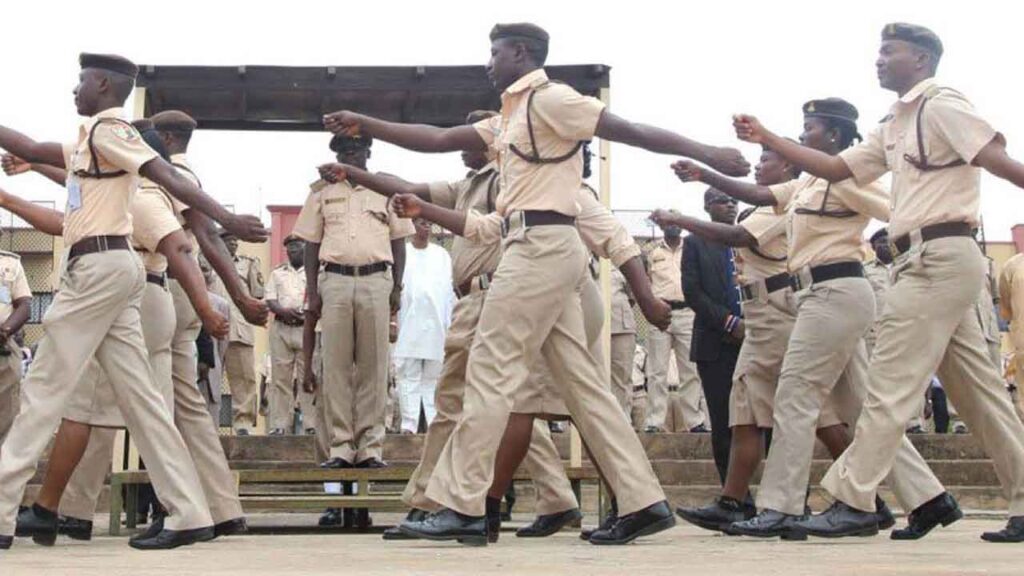
Favouritism × Dangerous Rosters × Low Morale
Insiders allege that dangerous deployments are not evenly shared. Some officers, they say, are shielded from frontline postings, while others are repeatedly pushed into high-risk rotations through administrative manipulation.
A protest note circulating internally reads:
“The CG should caution his G1 and admin. They favour some people and leave the rest of us to face the toughest assignments.”
The allegations point to deeper structural issues within NIS deployment planning, morale and operational readiness.

Army Silence and Growing Institutional Pressure
As of publication, the Nigerian Army has not issued any official statement on the deployment of immigration personnel into direct combat zones.
Security analysts say the crisis highlights:
- a widening manpower shortage,
- rising operational pressure across theatres,
- blurred lines between paramilitary and military roles.
Senior NIS staff are now calling for:
- safer deployment protocols,
- proper combat support equipment,
- fair and transparent rotation systems,
- clearer jurisdictional boundaries in joint missions.
The immigration frontline deployment crisis has therefore become a national conversation about operational justice, workforce safety and the architecture of Nigeria’s security strategy under extreme pressure.
This is IDNN. Independent. Digital. Uncompromising.
