
The European Union has approved FIFA’s plan to expand the 2029 FIFA Club World Cup to 48 teams. This change will significantly alter the tournament’s structure and increase global participation. The European Union’s approval brings FIFA closer to implementing this new format.
Expanded Representation for Europe
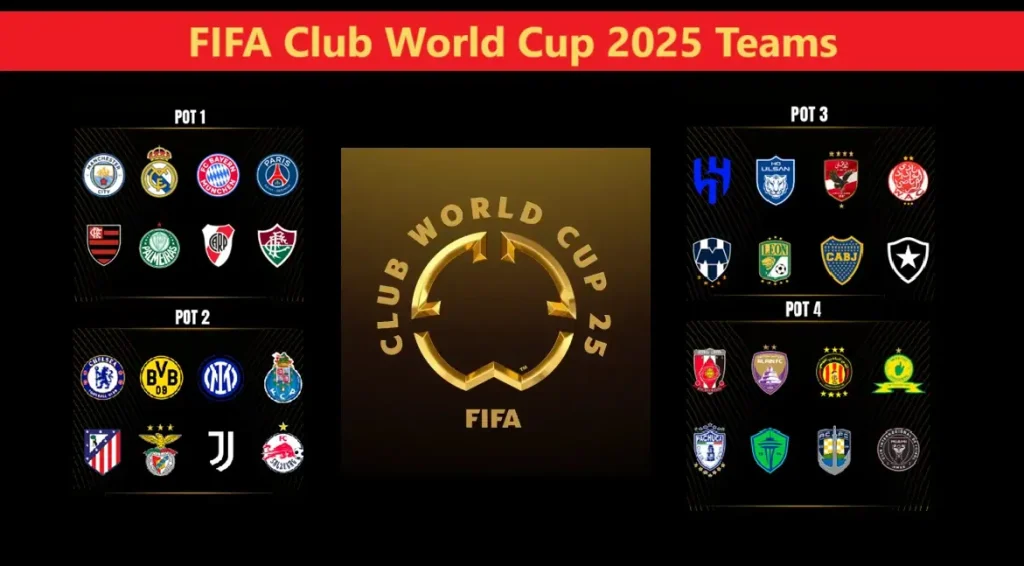
Under the new system, Europe will receive 16 spots in the competition, ensuring strong representation from the continent. This expansion reflects Europe’s dominance in club football and guarantees that top teams from major leagues like the English Premier League, La Liga, and Serie A will compete on the world stage.
Impact of the Expansion
The decision to expand the tournament is part of FIFA’s efforts to make the Club World Cup more inclusive. More teams from Africa, South America, and Asia will now have the chance to compete, adding excitement and variety. The increased participation aims to make the competition more competitive and increase its global appeal.
This expansion will likely boost FIFA’s commercial interests, as a larger number of teams means more games, wider broadcasting opportunities, and greater fan engagement across the world.
Europe’s Continued Dominance
European clubs have historically dominated the FIFA Club World Cup, and the expansion of the tournament will likely continue that trend. With 16 European slots now available, the tournament will feature many of the world’s most prestigious clubs. This makes the Club World Cup an even more important event for European teams.
Top clubs like Real Madrid, Bayern Munich, and Chelsea will have an even greater chance to showcase their dominance and continue their legacy in the competition.
What the Expansion Means for Global Football
This expansion is set to have a major impact on global club football. It will give clubs from underrepresented regions the chance to compete on the biggest stage, offering exposure to new audiences. It also creates more opportunities for clubs from emerging football nations to make a mark.
FIFA’s decision will help raise the profile of clubs from regions outside Europe, offering them the opportunity to gain international recognition and challenge for the prestigious title.
Next Steps for FIFA and European Clubs
With the European Union’s approval, FIFA can now finalize the details of the tournament’s new structure. The next steps will include determining the qualification process for the expanded tournament and arranging logistics for the event.
Fans can expect more thrilling developments as the tournament evolves. European clubs will continue to dominate, but new challengers will emerge, eager to claim their place in history.
This is IDNN. Independent. Digital. Uncompromising.
