
Labour unions representing workers of the Federal Capital Territory Administration (FCTA) have escalated their dispute with the government by appealing a court order that directed them to suspend an ongoing strike—setting up a direct test of how far organised labour can push while judicial authority remains in force.
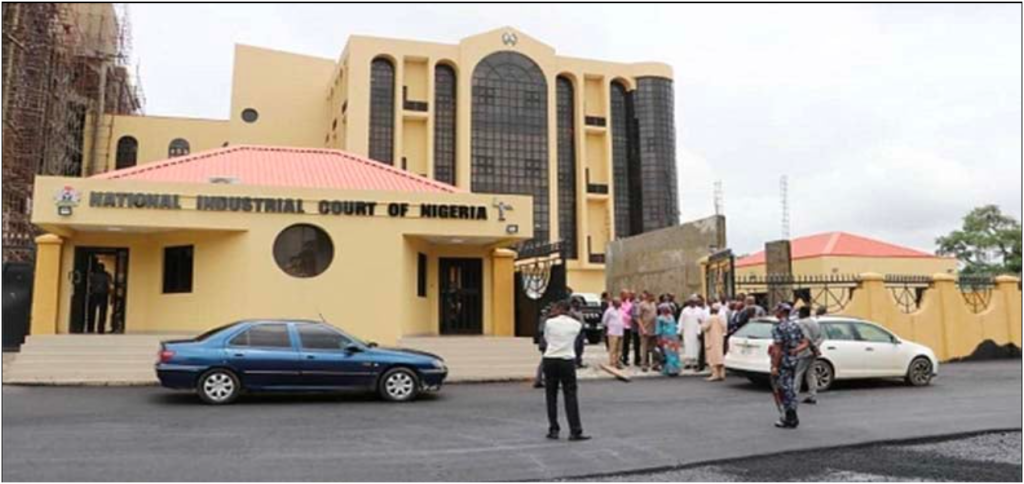
The appeal follows an interim order of the National Industrial Court mandating an immediate return to work, citing the essential nature of FCTA services. Union leaders insist their grievances—ranging from welfare to remuneration—remain unresolved, and that legal redress is now the only viable path forward.
A Court Speaks — But the Strike Refuses to Fade
The court’s directive was intended to halt service disruptions across Abuja by restoring operations while the substantive dispute is heard. In practice, the order has not ended the confrontation. Instead, it has shifted the battleground from picket lines to legal filings, with unions seeking relief through an appeal rather than outright defiance.
Legal observers note that such interim orders carry immediate force, even as appeals are pursued—placing unions in a narrow compliance window.

Wike Draws a Line as the Legal Clock Starts Ticking
Reacting to the appeal, Nyesom Wike warned that workers who continue to stay away from duty risk sanctions under civil service rules. He directed departmental heads to compile attendance records, signalling that enforcement measures are on the table while the courts deliberate.
The minister has maintained that dialogue remains possible, but only within the bounds of the law—a position that tightens pressure on union leadership as the appeal timeline unfolds.
Why an Appeal Doesn’t Automatically Pause a Court Order
Under Nigeria’s labour framework, the National Industrial Court has exclusive jurisdiction over employment disputes. Its orders remain binding unless a stay is expressly granted by a higher court. Appeals can challenge the substance of an order, but they do not, by default, suspend its effect.
This structure is designed to protect essential services from prolonged shutdowns while preserving the right to judicial review—an equilibrium now under strain in the FCTA case.
Public Services, Worker Rights, and a Precedent in the Making
At stake is more than a single strike. For Abuja residents, the immediate concern is service continuity. For organised labour, the outcome could redefine the leverage unions retain when courts intervene early in industrial disputes.
How this standoff resolves may influence future negotiations across the public sector, particularly where essential services are involved.
The Narrow Path Ahead for Unions and the FCTA
With the appeal pending, unions must decide whether to comply while arguing their case, or risk sanctions by sustaining action. The FCTA, meanwhile, faces its own calculation: how firmly to enforce the order without deepening labour unrest.
The resolution—legal or negotiated—will help clarify where the balance lies between collective action and judicial authority in Nigeria’s public service.
This is IDNN. Independent. Digital. Uncompromising.
