
The Obidient Movement has formally rejected the result of the Abuja Municipal Area Council (AMAC) chairmanship election, escalating the FCT poll fallout with allegations of voter suppression, intimidation, and the killing of a polling agent.
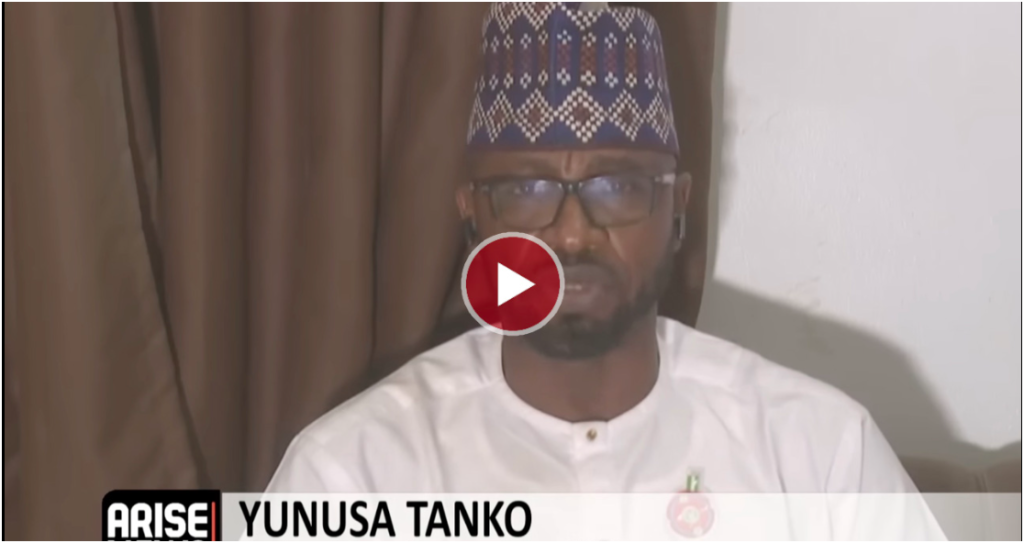
Addressing journalists in Abuja, the movement’s National Coordinator, Yunusa Tanko, described the election as a “brazen assault” on democratic principles, alleging widespread irregularities during the exercise.
The movement had supported the African Democratic Congress (ADC) candidate in AMAC.
Allegation of Agent Killing
Central to the group’s protest is the alleged killing of a polling agent identified as Musa Abubakar, also known as Dege.
According to Tanko, the agent was attacked while resisting attempts to interfere with ballot materials. He alleged that the incident triggered fear among other agents, some of whom reportedly fled their polling units.
The movement called for security agencies to investigate the incident and bring perpetrators to justice.
As of press time, security authorities had not issued an official statement confirming the circumstances of the alleged killing.
Low Turnout and Structural Concerns
The election, which saw the All Progressives Congress (APC) win five of six area councils in the FCT, was characterised by low voter turnout.
Tanko attributed voter apathy partly to alleged polling unit adjustments without adequate public notice, which he said made it difficult for voters to locate their designated centres.
INEC has not publicly responded to those specific claims.
ADC Candidate Concedes Defeat
Despite the Obidient Movement’s rejection of the result, the African Democratic Congress (ADC) candidate for AMAC chairmanship, Dr Paul Moses, publicly conceded defeat following the official declaration.
Dr Moses stated that he accepted the outcome in good faith, urging supporters to remain peaceful and committed to democratic principles.
“Democracy demands respect for the will of the people,” he said, adding that his movement for accountable leadership would continue beyond the election cycle.
Under Nigeria’s electoral framework, however, political parties retain the authority to pursue post-election legal challenges through tribunal processes, regardless of a candidate’s personal concession.

Institutional Pressure Mounts
The FCT poll fallout unfolds amid broader national debate over electoral reforms and the integrity architecture of result transmission processes.
While the Federal Government maintains that recent amendments to the Electoral Act strengthen transparency and accountability, opposition-aligned groups continue to question implementation safeguards.
Observers note that post-election litigation or formal petitions could further test institutional responses in the coming weeks.
For now, the FCT poll fallout remains a developing story — one shaped not only by declared results but by competing narratives over credibility and process
This is IDNN. Independent. Digital. Uncompromising.
