
By:Business Desk
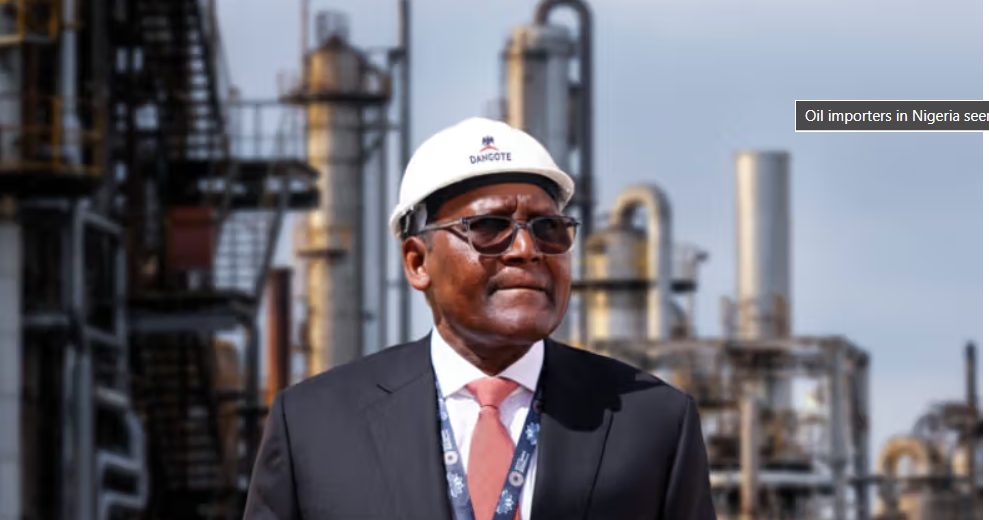
Nigeria’s fuel security is once again on a knife edge. A union strike order, parliamentary warnings, and government mediation have converged in a high-stakes standoff around the Dangote Refinery — the $20 billion private behemoth meant to solve Nigeria’s energy crisis.
Developing facts:
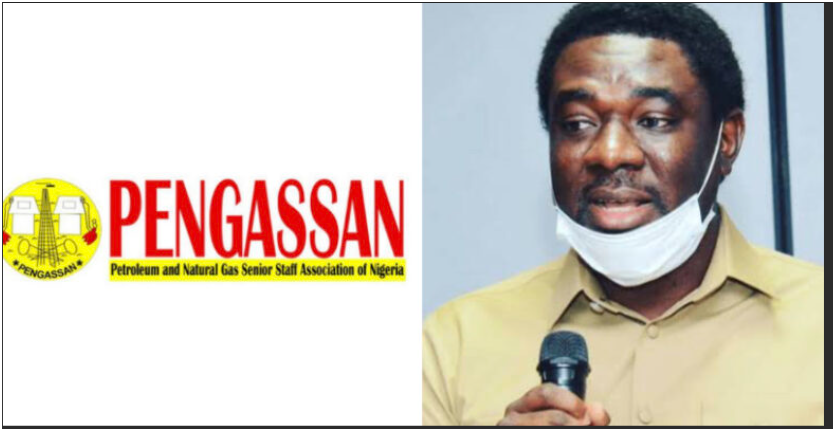
Last week, the Petroleum and Natural Gas Senior Staff Association of Nigeria (PENGASSAN) ordered branches to halt crude and gas supply to Dangote Refinery after over 800 Nigerian workers were allegedly sacked for joining the union.
The House of Representatives Committee on Downstream Petroleum Resources branded the directive “hasty and destabilising,” warning it could scare off investors. “This action will destabilise downstream stability and scare investors away from the country,” said committee chair Ikenga Imo Ugochinyere.
Federal intervention followed swiftly. Finance Minister Wale Edun convened a high-level steering committee under the naira-for-crude scheme, insisting, “energy stability remains our top priority.” By Saturday, Dangote Refinery resumed naira-denominated petrol sales after briefly suspending them.
Yet PENGASSAN’s president, Festus Osifo, doubled down: “Over 800 Nigerians were issued sack letters simply because they chose to belong to a union. Until those workers are recalled, this strike will continue.”
A Crisis Rooted in Labour Battles and Private Monopoly
The Dangote saga is not just a labour dispute; it sits at the intersection of monopoly power, weak regulation, and workers’ rights.
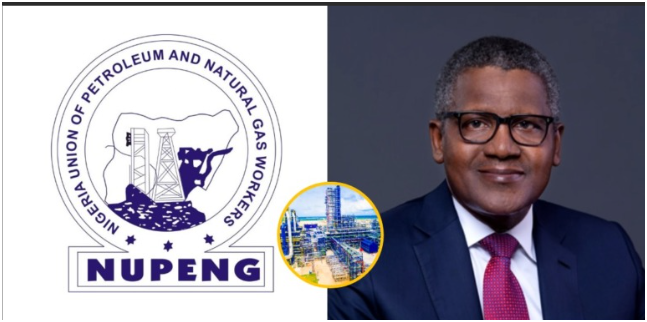
Nigeria consumes an estimated 55 million litres of petrol daily. For decades, it has relied on imports, draining foreign reserves. Dangote Refinery — with its 650,000 barrels-per-day capacity — was positioned as the solution. Its integration into the government’s naira-for-crude initiative was hailed as a “game-changer.”
But experts warn the refinery’s dominance is itself a vulnerability. “When one player holds such scale, every dispute becomes a systemic risk,” says energy analyst Muda Yusuf. He compares it to India’s Reliance Industries, whose clashes with unions in the early 2000s disrupted fuel supplies across South Asia.
For Nigeria, where over 40% of electricity generation is gas-fired, disruption at Dangote could ripple far beyond filling stations. The Independent System Operator has already warned of potential power grid instability if gas supply remains constrained.
Energy Security on the Brink: What Nigerians Risk Losing
The stakes are enormous. If the strike persists, the immediate consequence is scarcity. With average Nigerians already paying ₦815-₦900 per litre, a disruption could push prices up by 20–30%, analysts project.
Electricity blackouts loom too: gas-fired plants generate more than 70% of grid power in Lagos and Abuja. An extended cut could paralyse industry, hike inflation (currently 23.5%), and deepen hardship.
Nigerians recall 2012’s subsidy protests, when union strikes paralysed the country for over a week. “The multiplier effects are dangerous — on transport, food, inflation, and jobs,” warned Ugochinyere.
Meanwhile, investors eyeing the refinery — from Afreximbank to global traders — watch nervously. “The perception that unions can unilaterally choke a $20 billion project undermines Nigeria’s investment case,” said one European commodities consultant.
Talks, Strikes, and Survival — What Happens in the Next 14 Days
A special House subcommittee has been given 14 days to harmonise labour concerns with corporate realities. The Ministry of Labour has invited both Dangote and PENGASSAN for conciliation.
The refinery insists its sackings were “lawful restructuring.” The unions insist it is “union-busting.” The FG insists fuel supply will remain uninterrupted.
For now, Nigerians queue with uncertainty. The question is whether compromise emerges before the strike escalates into shortages — or whether this crisis proves that even Nigeria’s biggest private investment is not immune to the country’s labour wars.
This is IDNN. Independent. Digital. Uncompromising.
