
Nigeria’s fuel market shifted sharply on Monday after the Dangote Petroleum Refinery slashed its petrol gantry price to ₦840 per litre, following a global oil slump that pushed Brent crude to $62 per barrel. The move sent immediate shockwaves through the downstream sector, with major depots adjusting their rates to match the refinery’s pricing.
The development has reshaped national expectations as Nigerians await potential retail pump-price reductions.
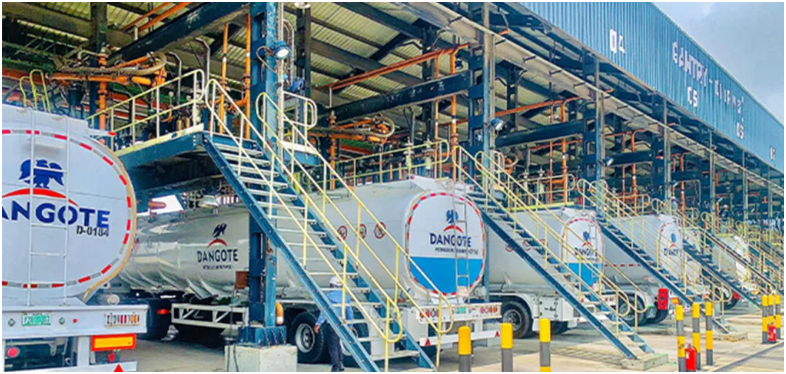
Dangote Petrol Price ₦840 Drives Major Market Adjustments Nationwide
Industry checks confirmed that depots such as AIPEC and NIPCO aligned with the new ₦840 benchmark, while Rainoil, Master Energy and Sigmund Petroleum recorded slightly higher prices ranging from ₦844 to ₦858.
Analysts say the adjustment is a direct consequence of the global oil market’s sudden dip, which has lowered refining and import-equivalent costs across the board.
OPEC+ Caution × Local Expectations × Possible Pump Relief
The price shift comes just as OPEC+ nations—including Saudi Arabia, Russia, Iraq and the UAE—reaffirmed their decision to pause production increases through March 2026. The group cited seasonal weakness and market fragility, maintaining full flexibility to pause or reverse voluntary cuts.
An energy trader in Lagos told IDNN:
“If crude stays at this level, pump-price relief becomes inevitable. But the market remains fragile.”
The Dangote petrol price ₦840 cut has therefore become both an economic signal and a political talking point, particularly as Nigerians grapple with inflation, transport pressure and rising living costs.
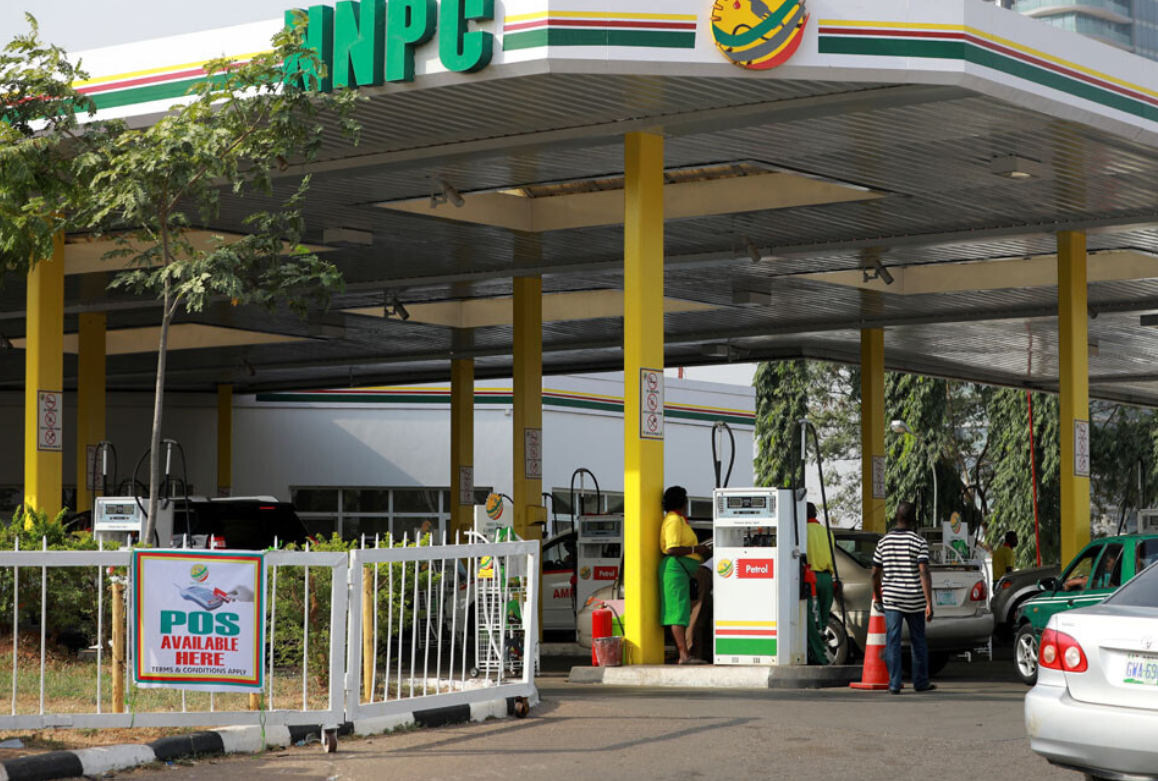
What Comes Next for Consumers?
Experts say the next 7–14 days will determine whether retail filling stations mirror the depot cuts or hold out due to logistics and existing stock.
For now, Dangote’s pricing move has altered market calculations—and possibly the national mood—at a time when every naira counts.

This is IDNN. Independent. Digital. Uncompromising.
