
President Bola Tinubu has approved ₦2.8tn as the Federal Government’s verified liability for accumulated electricity subsidies owed to power generation companies (GenCos), following months of negotiations and an independent audit process.
The approval comes after GenCos initially submitted claims of approximately ₦6tn in legacy debts dating back to 2010. A tripartite audit involving the Ministry of Finance, the Nigerian Bulk Electricity Trading Plc (NBET), and the generation companies reportedly reduced the figure to ₦2.8tn.
According to senior officials familiar with the process, the President insisted on a full audit before committing public funds, declining to accept the original claim without verification.
Bond Financing and Initial Disbursement
As a show of good faith during the audit process, the Federal Government earlier raised ₦501bn through a bond issued under the Presidential Power Sector Debt Reduction Programme.
The bond reportedly achieved full subscription from institutional investors, including pension funds and banks.
Officials indicated that additional disbursements between ₦600bn and ₦800bn may follow within the coming months, potentially bringing total payments to roughly half of the approved liability by mid-year. The remaining balance is expected to be spread over 12 to 24 months.
Conditions Attached: Gas and Infrastructure
The approval is not without conditions.
Presidency sources indicated that a portion of the ₦2.8tn will be ring-fenced specifically for the settlement of outstanding debts owed by GenCos to gas suppliers — a recurring issue blamed for frequent generation shortfalls and grid instability.
The government is also expected to require evidence of infrastructure reinvestment, following concerns that operators have not sufficiently reinvested revenues into maintaining and expanding power assets.
Officials have argued that payments must translate into measurable improvements in generation capacity and operational stability.
Background: Structural Liquidity Crisis
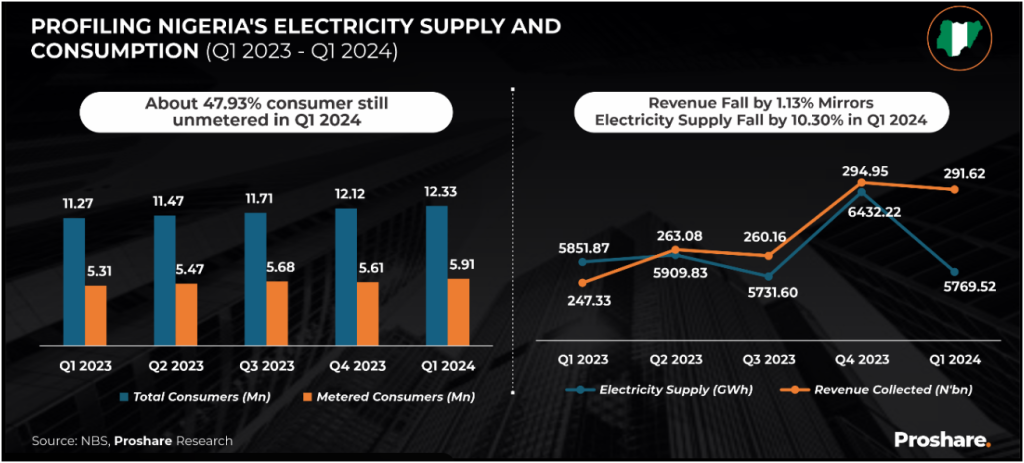
Nigeria’s power sector liquidity crisis traces back to the 2013 privatisation of electricity assets. Since then, tariff shortfalls, foreign exchange pressures, and regulated pricing structures have created persistent funding gaps between generation costs and consumer payments.
Although partial subsidy reforms were introduced in 2024 for Band A customers, significant arrears continued to accumulate.
The Nigeria Labour Congress (NLC) had opposed large-scale bailout payments, criticising what it described as weak post-privatisation performance by operators.
Fiscal and Sectoral Implications
The ₦2.8tn GenCo debt approval represents one of the largest structured fiscal commitments to the power sector since privatisation.
Analysts note that while the payment may ease short-term liquidity stress, long-term sustainability will depend on tariff reforms, operational efficiency, and regulatory enforcement.
The decision now shifts attention to implementation — specifically whether the conditional framework will improve supply reliability and reduce future subsidy accumulation.
For consumers, the central question remains unchanged:
Will financial stabilisation translate into stable electricity?
This is IDNN. Independent. Digital. Uncompromising.
