
A countdown that could dim the grid
Electricity workers across Nigeria have served a 21-day strike notice, warning of nationwide industrial action if outstanding wage adjustments and pension obligations within the Nigerian Electricity Supply Industry (NESI) are not addressed.
The notice signals the start of a statutory window for negotiation before a full strike can legally commence.
Union representatives say the dispute centres on unpaid allowances, unresolved pension liabilities, and compliance gaps affecting workers in generation, transmission, and distribution segments.

The demands now on the table
According to union statements, workers are demanding:
• Settlement of outstanding wage adjustments
• Payment of accrued pension contributions
• Resolution of long-standing labour agreements
• Clear timelines for sector compliance
The unions argue that repeated engagements have not yielded enforceable commitments.
Power sector operators have not yet issued a consolidated public response as of publication.
Why the notice matters beyond labour talks
Nigeria’s power sector remains fragile, with frequent grid collapses and supply fluctuations affecting households and businesses.
A nationwide strike across generation, transmission, and distribution units could:
• Interrupt electricity supply
• Disrupt industrial production
• Increase reliance on private generators
• Amplify inflationary pressures
Even the threat of disruption can influence market sentiment.
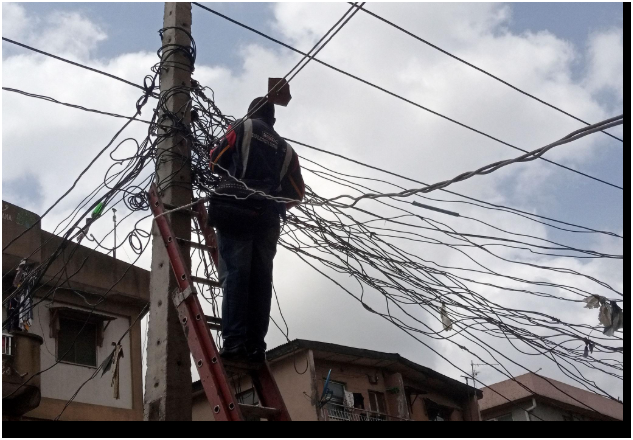
The negotiation window is already narrowing
The 21-day notice does not guarantee immediate blackout. It activates a negotiation period.
During this time, government agencies, power operators, and union leaders are expected to attempt resolution.
Historically, last-minute agreements have averted total shutdowns in the sector.
However, unresolved structural funding issues within NESI have repeatedly resurfaced.
Where sector reform meets worker reality
Nigeria’s electricity market reforms were designed to attract private investment and stabilise supply.
Yet liquidity constraints and tariff disputes continue to affect cash flow within the industry.
Workers argue that reform cannot succeed if labour obligations remain unsettled.
That tension now defines the present dispute.
If talks fail, disruption becomes leverage
Should negotiations collapse before the 21-day window expires, industrial action could extend beyond symbolic protest into operational shutdown.Power generation and transmission require coordinated manpower.
A prolonged strike would test the resilience of Nigeria’s already strained electricity grid.
The notice is procedural.
The consequences would not be.
This is IDNN. Independent. Digital. Uncompromising.
