
What looked like houses, but hid something deadlier
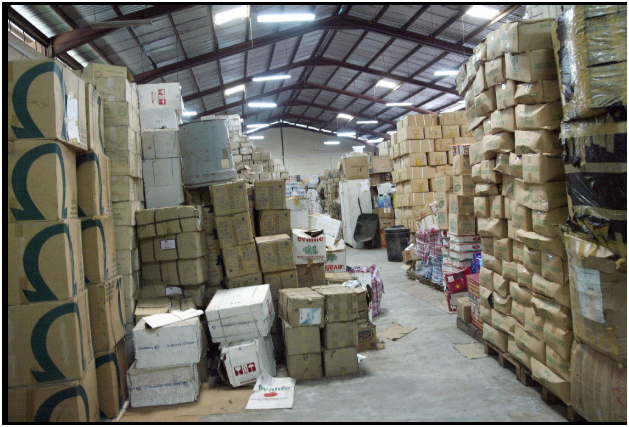
What appeared to be ordinary residential buildings in a quiet Lagos neighbourhood turned out to be warehouses packed with counterfeit and banned medicines. Acting on intelligence from early February, operatives of the National Agency for Food and Drug Administration and Control raided multiple locations and uncovered what officials described as one of the worst fake drug operations in recent years.
Inside, officers found injectable anti-malarials, antibiotics, sachet drugs, blister packs and banned products, some of which have been prohibited in Nigeria for more than a decade.
A syndicate built to look legitimate
According to NAFDAC’s Director of Investigation and Enforcement, Martins Iluyomade, the warehouses were deliberately designed to blend into residential surroundings, shielding a highly organised distribution network.
He said the operation bears the hallmarks of an international syndicate, with genuine medicines cloned abroad to near-perfect standards before being pushed back into Nigeria’s supply chain. In several cases, even brand owners struggled to distinguish originals from counterfeits.
When fake medicine becomes a death sentence
Officials warned that the discovery goes far beyond economic crime. Many of the seized products are used in emergency care, including injections for severe malaria and life-threatening infections.
“When fake injections are used in situations like cerebral malaria, it becomes a death sentence,” Iluyomade said, adding that the scale and sophistication of the operation shows how deeply counterfeiters have penetrated the pharmaceutical market.

08112935565, 08161558757
Eight trailers, ₦3bn street value
NAFDAC confirmed that eight trailers loaded with assorted fake medicines and cosmetics were evacuated from the site. The estimated street value of the products exceeds ₦3 billion, a figure officials say reflects only what was intercepted, not what may already have entered circulation.
Some manufacturers had reportedly flagged the presence of fake versions of their products in the market months earlier, but distributors often released them in small quantities to evade detection.
Why this seizure changes the health conversation
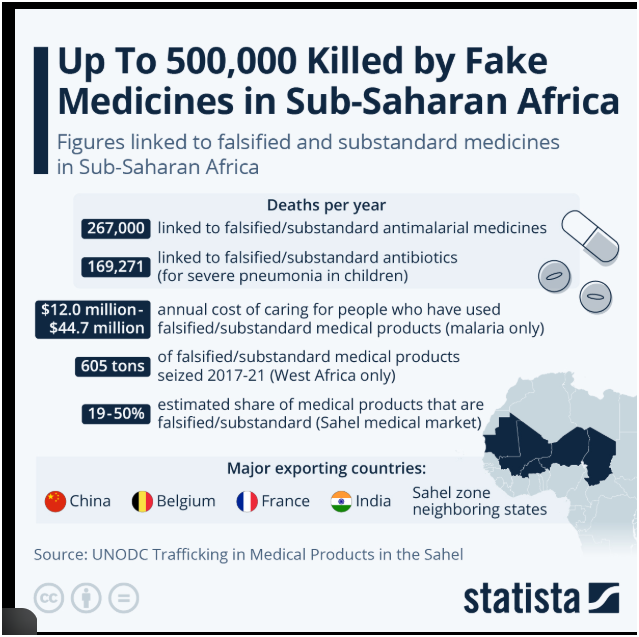
The bust highlights a widening gap between regulatory effort and criminal innovation. Counterfeiters are no longer flooding markets with crude imitations; they are engineering products that pass visual inspection, exploiting price sensitivity and weak oversight points in distribution chains.
NAFDAC warned Nigerians to be cautious of unusually cheap medicines, stressing that affordability without verification can carry fatal consequences.
What comes next for enforcement
Officials say investigations are ongoing to trace local collaborators and international supply routes linked to the syndicate. The seized products will be destroyed, and those connected to the operation face prosecution.
For regulators, the raid underscores a broader challenge: protecting public health in a market where criminal networks increasingly treat medicine not as care, but as a commodity worth killing for.
This is IDNN. Independent. Digital. Uncompromising.
