
Why this moment cannot be ignored
This is no longer a routine leadership conversation. It is a test of process under pressure.
As the expected 2026 election window draws closer, long-suppressed tensions inside the Nigeria Basketball Federation have re-emerged. Questions once whispered—about timelines, authority, and accountability—are now being debated openly. When institutions begin to argue over time itself, the stakes rise fast.
This featured series examines that moment with discipline and force.
The event that pulled everything into focus
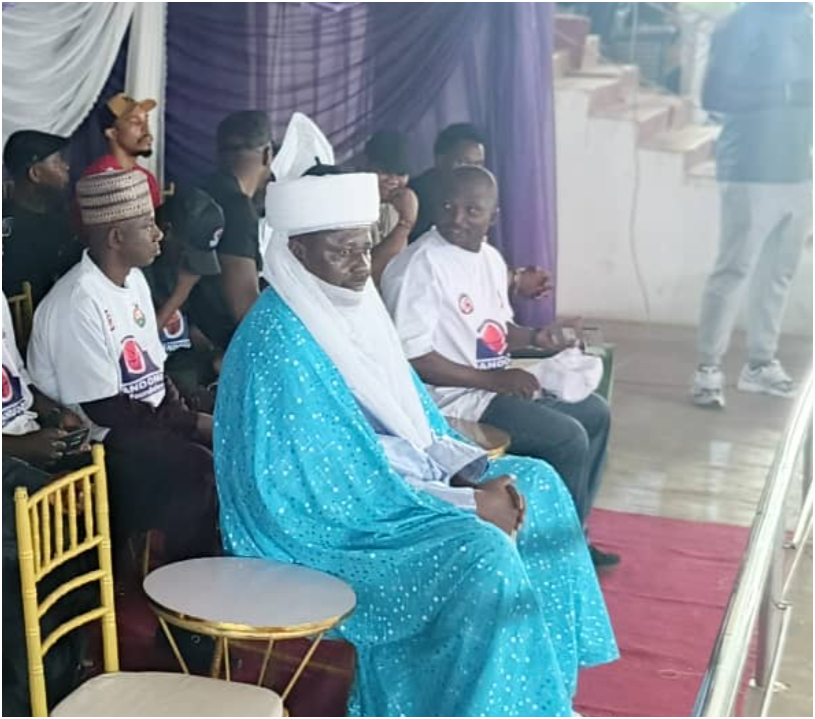
On Saturday, 7 February 2026, basketball stakeholders converged at the Doma Palace in Nasarawa State following an intervention convened by the Andoma of Doma, Dr. Ahmadu Aliyu Oga Onawo.
Publicly framed as reconciliation, the meeting came as debates over the NBBF election timeline intensified. Its setting—royal, neutral, symbolic—slowed confrontation. But it also raised sharper questions: what was being calmed, what was being negotiated, and what remained unresolved?
Those questions sit at the heart of this series.
How this investigation is structured
This is not a single article. It is a three-part interrogation, each layer designed to test the one before it.
🟥 Part I — Critical Perspective
Inside the NBBF Clock War: Heroes, Insiders, and the Politics of Timing
Part I opens the fault line. From a critics’ viewpoint, it examines why election timing has become contested, how silence turned into urgency, and why control of the calendar now carries political weight.
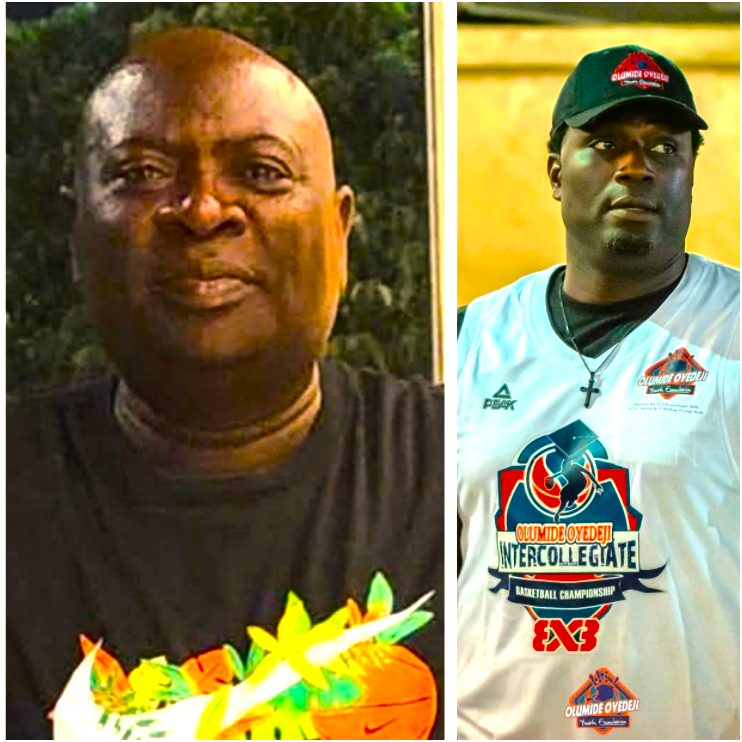
It explores how external stakeholders such as Igoche Mark are perceived as operating outside incumbency constraints, while board insiders—including Samuel Ahmedu and Olumide Oyedeji—face scrutiny over reform language that arrives at election proximity.
This is not a verdict. It is a lens.
🟥 Part II — Critical Perspective
Peace Summit Politics: What the Doma Palace Meeting Was Really Negotiating
Part II follows power into the room.
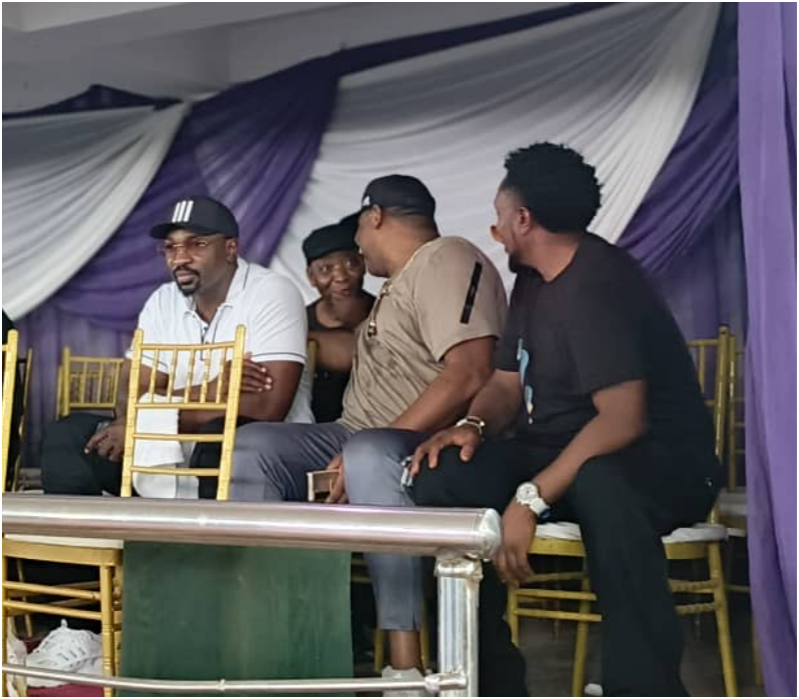
Anchored on the 7 February 2026 Doma Palace meeting, it tests whether the “hero versus insider” framing survives contact with negotiation. It examines unity language, strategic restraint, and the significance of what the meeting did not produce—no timelines, no milestones, no formal closure.
In politics, silence often does more work than speeches.
➡️ Read Part II: Peace Summit Politics
🟩 Part III — Explainer (Reconciliation)
What a Real Reconciliation in Nigerian Basketball Would Require
The final piece lowers the temperature—and raises the standard.
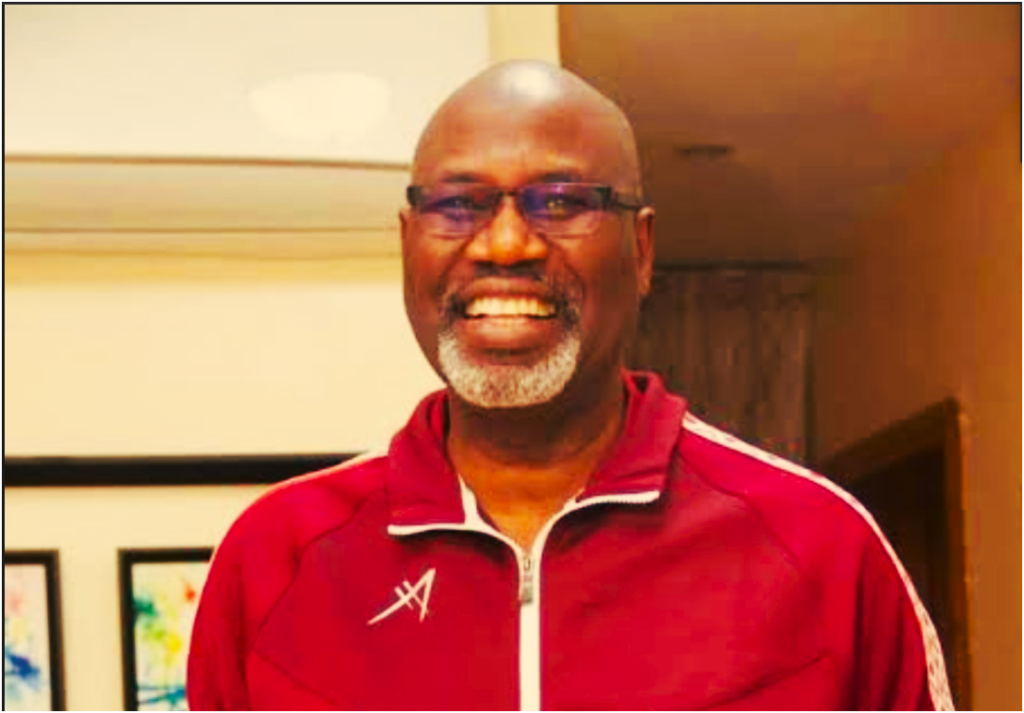
This explainer outlines what reconciliation would actually demand beyond symbolism: election-calendar clarity, transparent processes, a credible domestic league roadmap, and formal dispute closure. It recognises shared institutional responsibility across leadership, board members, and external stakeholders, and explains why peace without process rarely lasts.
This is where consequence replaces conjecture.
➡️ Read Part III: The Reconciliation Explainer
What IDNN is doing—and why
IDNN is not choosing leaders.
IDNN is interrogating process, timing, and consequence.
Critical perspectives are hosted, tested against events, and balanced with corrective analysis so readers can understand how Nigerian basketball arrived at this moment—and what failure or reform would mean going forward.
IDNN remains open to verified responses and clarifications from all stakeholders.
This is IDNN. Independent. Digital. Uncompromising.
