
The Kwara massacre has reopened hard questions about how quickly Nigeria’s security apparatus reacts when rural communities come under attack. In Woro village, Kaiama Local Government Area, survivors say the violence unfolded openly for hours — long enough, they insist, for help to have arrived before entire communities were overrun.
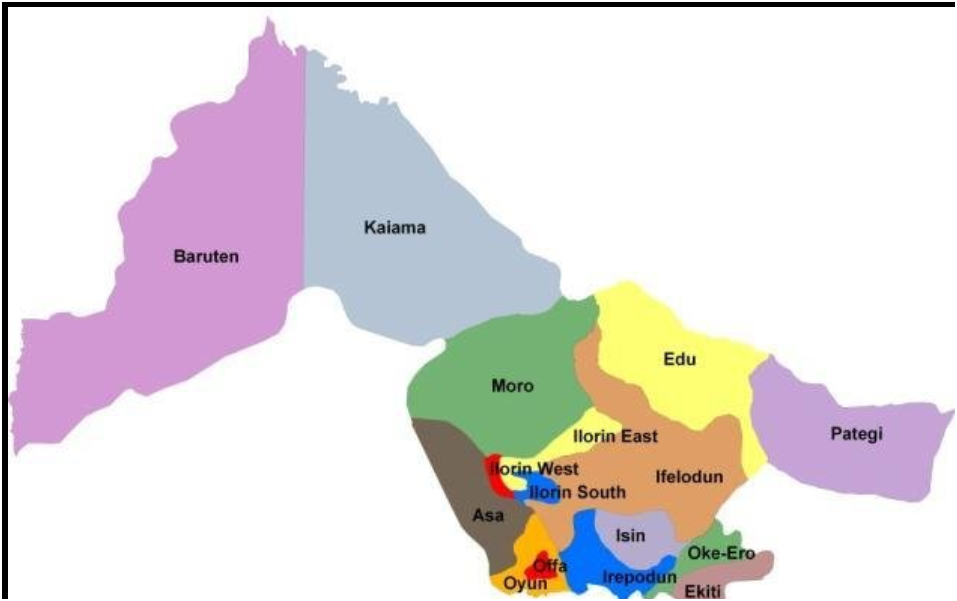
Ten hours is a lifetime in a burning village
Salihu Umar, the village head of Woro, told ARISE Television that the attackers began their operation at about 5:00 p.m. and only encountered soldiers close to 3:00 a.m. the next day. By then, he said, the damage was done.
“The military did not attack them. The bandits had gone when the military came,” Umar said, adding that no air interdiction occurred during the assault. Residents described gunmen moving through villages for hours, setting houses ablaze and forcing families to flee into surrounding bushland.
When the numbers refuse to agree
Official and independent casualty figures remain sharply disputed. Kwara State authorities confirmed that at least 75 bodies had been buried, while the Red Cross reported 162 deaths. Local sources and international agencies cited by Reuters and AFP suggested the toll could reach as high as 170 as more bodies were recovered.
Community leaders stressed that the majority of victims were Muslims, rejecting claims that the killings were driven by sectarian motives. Instead, they described a coordinated assault that targeted entire settlements indiscriminately.
Warnings existed. Protection didn’t.
Umar disclosed that his community had previously hosted a small military detachment, which was withdrawn months earlier after an attack on the base. He also said a threat letter linked to Jama’atu Ahlis Sunna Lidda’adati wal-Jihad (JAS) had been reported to security agencies weeks before the massacre.
Residents claim repeated alerts about suspicious movements in nearby forests were escalated to traditional authorities and government officials, but no preventive deployment followed. “Everybody knew,” one resident said. “Nobody came.”
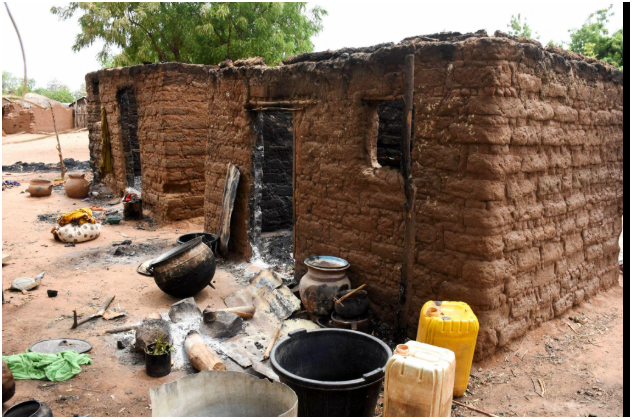
Power moved only after the bodies were counted
Following the attack, President Bola Tinubu ordered the immediate deployment of an army battalion to the area under a new counter-offensive tagged Operation Savannah Shield, according to a statement by presidential spokesman Bayo Onanuga.
Kwara State Governor AbdulRahman AbdulRazaq visited Kaiama alongside service chiefs, condemned the killings and directed additional security deployments as displaced residents sought shelter and medical care.
This didn’t start the night they died
The Kwara massacre fits a broader pattern of rural attacks across Nigeria’s north-central and north-western regions, where intelligence warnings often surface after communities have already been left exposed. The combination of withdrawn troops, unaddressed threat reports and delayed response has become a recurring prelude to mass casualty events.
IDNN is running this story now because the competing death tolls and the admitted response delay demand more than condolences — they require clarity on what failed before the first shot was fired.
When delay becomes policy
If the gap between warning and response remains unresolved, the risk is not limited to Kaiama. Each unanswered alert reinforces a dangerous precedent: that rural communities may remain unprotected until tragedy forces action. Whether the new deployment marks a genuine shift — or another reaction after the fact — will determine how soon this pattern repeats elsewhere
