
The reform Nigerians expected
For many Nigerians, the reform sounded straightforward: once votes are counted at polling units, the results should appear immediately, publicly and verifiably.
That expectation collapsed on the Senate floor.
“In a manner as prescribed by the Commission.”
Those words carry enormous weight.
–They permit electronic transmission.
-They do not compel it.
-They impose no deadline.
-They leave the final call entirely with INEC.
Despite months of debate and earlier approvals at committee level, senators voted down a clause that would have compelled presiding officers of the Independent National Electoral Commission to upload polling-unit results to the IReV portal in real time.
The Sentence That Changed Nothing
What survived the amendment process was a familiar line from the 2022 Electoral Act: results shall be transmitted electronically “in a manner as prescribed by the Commission.”
Those words carry enormous weight.
They permit electronic transmission.
They do not compel it.
They impose no deadline.
They leave the final call entirely with INEC.
How Discretion Stayed Alive
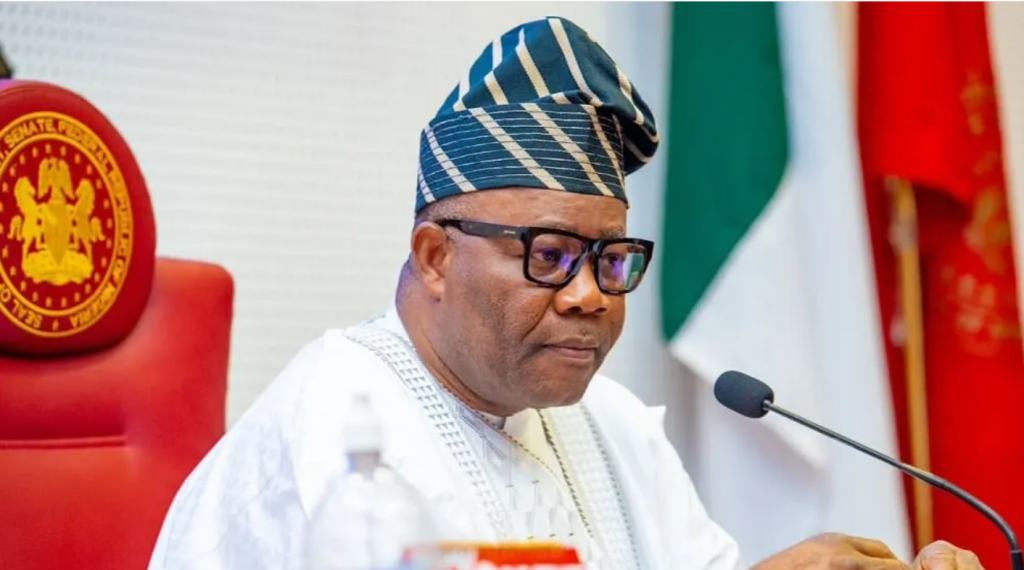
Presiding over the session, Senate President Godswill Akpabio rejected claims that the chamber had weakened the law.
“Electronic transmission has always been part of our law,” Akpabio said. “What we did was to retain what worked in 2022. We are moving forward, not backwards.”
Opposition figures and civil society groups argue that retention, not removal, is the problem.
That single difference determines whether results are seen immediately — or after collation.
Former Vice President Atiku Abubakar described the decision as a deliberate step away from transparency, warning that it favours incumbents ahead of 2027.
Where Elections Are Really Decided
Votes are cast in public view. Elections are decided during collation.
That is where delays matter. That is where manual movement of results becomes consequential. And that is where discretionary transmission can tilt outcomes before disputes ever reach the courts.
Critics argue that by keeping transmission optional, lawmakers preserved a system where verification is delayed until after institutional processes — not when voters are watching.
Why Technology Didn’t Save This
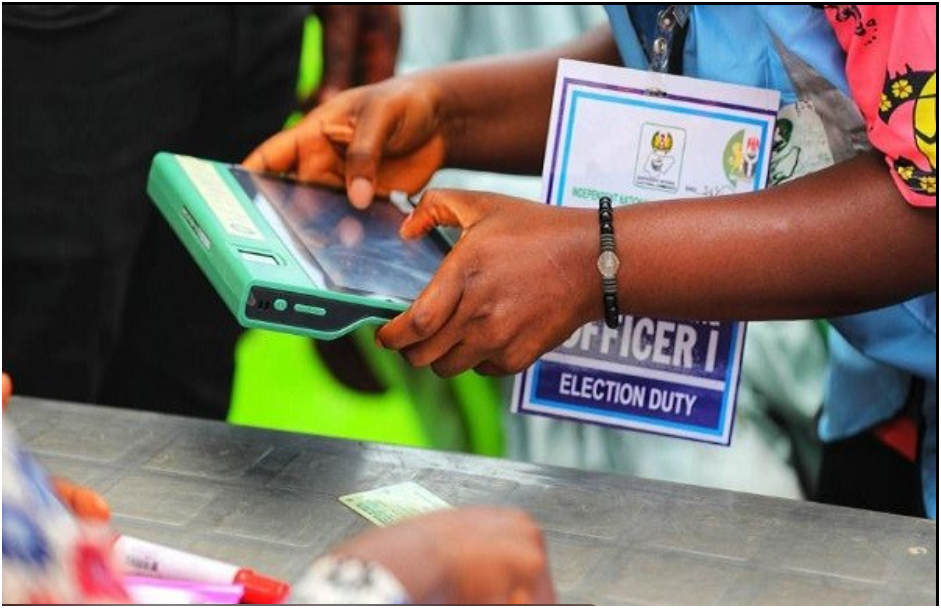
BVAS remains in law. Electronic transmission remains possible. But possibility is not protection.
During the 2023 general election, failures on the IReV portal became a national flashpoint. The Supreme Court later ruled that such failures did not invalidate results because the law never made electronic transmission mandatory.
That legal reality has now been carried forward.
Why The Timing Isn’t Accidental
The decision arrives as election timelines are shortened and preparations for 2027 begin earlier than publicly acknowledged.
INEC has already confirmed it cannot release a full timetable for the next general election while amendments to the Electoral Act remain unresolved. Reforms delayed, analysts warn, quietly reshape competition.
What This Leaves Voters With
Nigerians are once again asked to trust discretion instead of certainty.
But trust, critics say, cannot replace compulsion. When results do not appear in real time, questions follow — and confidence erodes before explanations arrive.
By choosing flexibility over enforceable clarity, the Senate has ensured that when the next election is contested, this clause — not campaign promises — will determine how much the public sees, and when.
This is IDNN. Independent. Digital. Uncompromising.
