
The Nigerian Senate has fixed March 17, 2026, as the target date for the final consideration and passage of the ₦58.47 trillion federal budget, setting in motion a compressed but detailed legislative review process.
The decision was taken at a special session of the Senate Committee on Appropriations, which also approved a timetable covering committee-level scrutiny, public hearings, and engagements with the Federal Government’s top economic managers.
Why lawmakers are racing the calendar
Under the approved schedule, standing committees of the Senate will begin budget defence sessions with ministries, departments, and agencies from February 2 to February 13, after which reports will be submitted for harmonisation.
A public hearing on the budget proposal has been fixed for February 9, aimed at opening the appropriation process to broader stakeholder participation.
What the economic managers will be asked to defend
An interactive session scheduled for March 5 will see key members of the Federal Government’s economic team appear before the Appropriations Committee.
Those expected include Wale Edun, Minister of Finance and Coordinating Minister of the Economy, and Atiku Bagudu, Minister of Budget and National Planning.
Lawmakers say the session will focus on macroeconomic assumptions, revenue projections, and fiscal sustainability.
The extra week that changed the plan
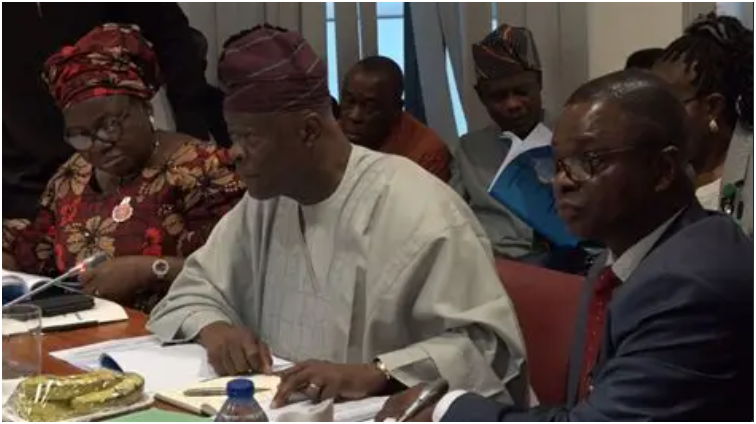
Senator Solomon Adeola, Chairman of the Senate Committee on Appropriations, disclosed that Senate leadership initially proposed March 12 for passage but extended the deadline by one week to allow for more meticulous examination of the estimates.
Hard copies of the budget have already been distributed to committee members to support detailed analysis.
How public input fits into the process
As part of the review, the committee confirmed that the February 9 public hearing would feature a technical presentation by a University of Lagos economics professor, intended to guide lawmakers during deliberations on fiscal assumptions and expenditure priorities
Why timing matters beyond the Senate
The Senate leadership has signalled that early passage of the budget is intended to strengthen implementation planning, reduce uncertainty for government agencies, and align fiscal execution more closely with the calendar year.
The timetable was formally adopted following a motion moved by Senator Adamu Aliero and seconded by Senator Orji Uzor Kalu.
Why this budget process is being closely watched
Nigeria’s 2026 budget comes amid persistent economic pressures, rising public expectations, and renewed calls for fiscal discipline. The compressed review window places additional responsibility on lawmakers to balance speed with oversight as scrutiny intensifies.
What this timeline quietly decides
If the March 17 target holds, the National Assembly would deliver the budget earlier in the year, reducing execution delays. Failure to meet the deadline, however, could reinforce concerns about legislative bottlenecks at a time when fiscal certainty is increasingly critical.
This is IDNN. Independent. Digital. Uncompromising.
