Pressure is mounting on Nigeria from Washington as US lawmakers accused the Nigerian government of failing to stop widespread killings, especially attacks targeting Christian communities. They warned of potential sanctions, visa bans and deeper diplomatic consequences if Abuja does not take more decisive action.
Speaking during a special congressional security briefing, members of the United States House Appropriations Committee described Nigeria’s situation as a “humanitarian catastrophe” and criticised what they called “government inaction” in the face of escalating violence.
“Perpetrators operate with impunity” — Congressman Chris Smith
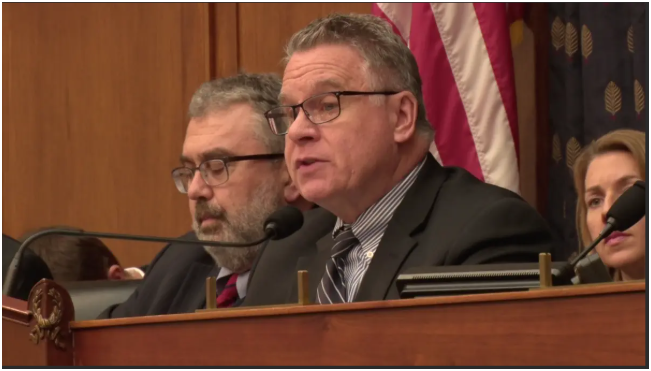
Chris Smith, Chairman of the House Foreign Affairs Africa Subcommittee, said Nigeria had failed to protect its citizens despite constitutional obligations.
“The Nigerian government has a fundamental, constitutional duty to protect its citizens.
Yet perpetrators of this persecution operate with complete impunity,”
he said.
Smith insisted that the US would hold Nigeria accountable, warning that the country was “running out the clock” while communities across several states remained under attack.
Visa bans and punitive restrictions now on the table
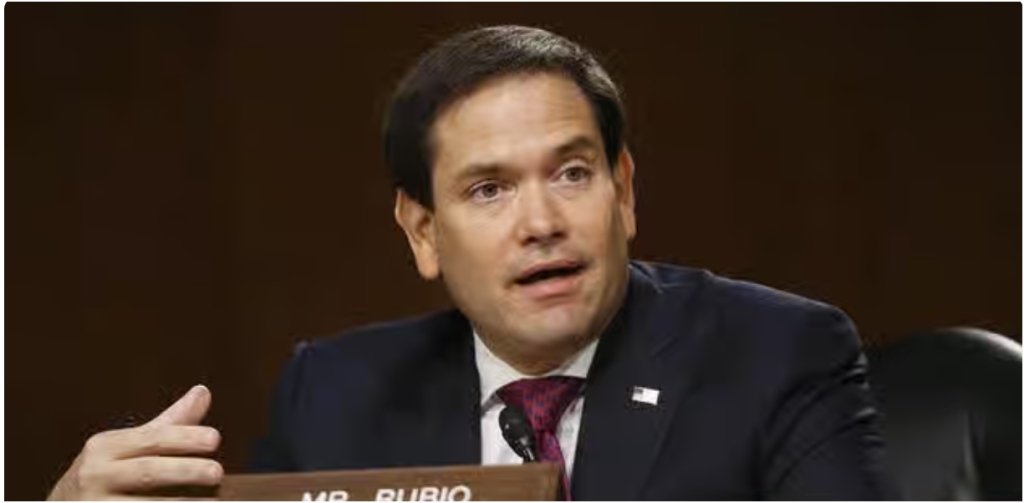
US Secretary of State Marco Rubio announced new visa restrictions targeting individuals involved in:
- religiously motivated killings
- violent attacks
- terrorism financing
- aiding or abetting extremist groups
- obstructing justice
The restrictions, issued under Section 212(a)(3)(C) of the US Immigration and Nationality Act, may also extend to family members of violators.
Rubio said the measures apply to Nigeria and any other country enabling religious persecution.
Trump’s Redesignation: Nigeria back on “Countries of Particular Concern” list
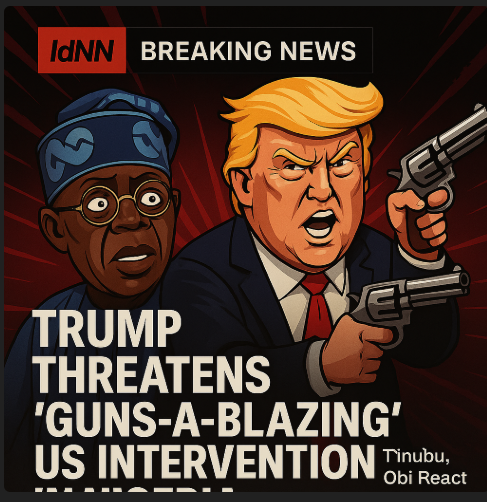
The pressure follows President Donald Trump’s October 31 redesignation of Nigeria as a Country of Particular Concern (CPC) — the highest US watchlist category for religious freedom violations.
Trump first designated Nigeria a CPC in 2020, but the label was removed by President Joe Biden.
The reinstatement returns Nigeria to the same category as Iran, China, Myanmar and North Korea.
The redesignation opens the door to:
- sanctions
- arms restrictions
- congressional hearings
- frozen diplomatic engagements
- targeted US policy actions
Trump warned he may consider military pressure or cuts to US aid if attacks continue unchecked.
Nigeria criticised for failing to act on early warnings
Vicky Hartzler, Chair of the US Commission on International Religious Freedom (USCIRF), said Nigerian authorities often ignore early warning signals.
“Villagers report impending attacks and receive no help.
Sometimes they call police during attacks, and nobody comes.
This is unacceptable.”
She urged Nigeria to adopt more robust early-warning systems and improve on-the-ground response times.

08112935565, 08161558757
US Experts: Terrorism is expanding — Nigeria must act
Ebenezer Obadare of the Council on Foreign Relations said insecurity can be traced to jihadist terror groups and widespread banditry.
He argued that Nigeria’s lack of strong institutional response has allowed extremist networks to thrive.
Obadare pushed for:
- more recruitment into security agencies
- a national security emergency declaration
- dismantling of Hisbah religious police structures
- making Sharia criminal law unconstitutional
Reps, Ministers and Diplomats join the briefing
The congressional session included members of the House Appropriations Committee, House Foreign Affairs Committee, and experts from religious rights organisations including Alliance Defending Freedom International.
The briefing was convened at Trump’s direction to investigate what he described as the “slaughter of Christians” in Nigeria.
Nigeria–US Security Working Group Activated
President Bola Tinubu has approved Nigeria’s delegation to join a new US–Nigeria Joint Working Group on counter-terrorism, following high-level meetings in Washington led by NSA Nuhu Ribadu.
The group is expected to focus on:
- intelligence sharing
- terrorist financing
- border monitoring
- protection of vulnerable communities
- rapid response coordination
Implications for Nigeria
Analysts say the US posture signals:
- tougher visa restrictions
- possible sanctions
- deeper scrutiny of Nigeria’s security operations
- tighter monitoring of religious violence
- diplomatic pressure on Abuja to act faster
Nigeria’s position on the CPC list will be reviewed annually.
