
IDNN Politics Desk
Not Optional: Why Every Result Must Be Uploaded
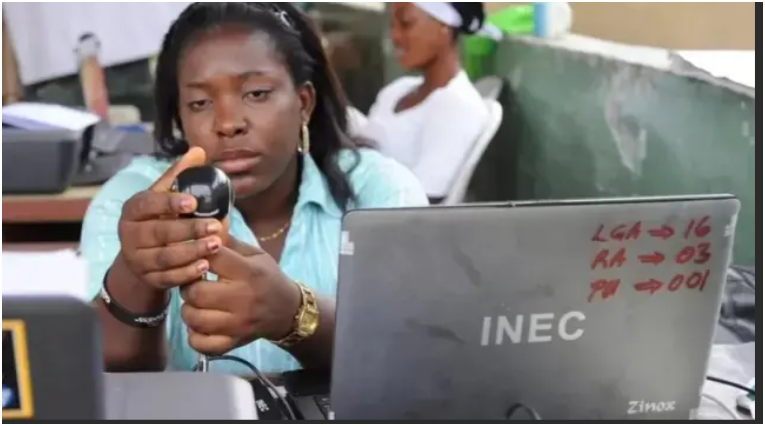
Festus Okoye was emphatic: “It is not a discretionary choice. INEC is legally bound to use BVAS for accreditation and to upload results to IReV.”
That sentence, delivered in his sit-down with Volume with Femi D (YouTube: @TheVolumePod), shatters the myth that results transmission is experimental. BVAS and IReV are statutory obligations, not policy whims.
Professors Collate, But IReV Keeps Them Honest
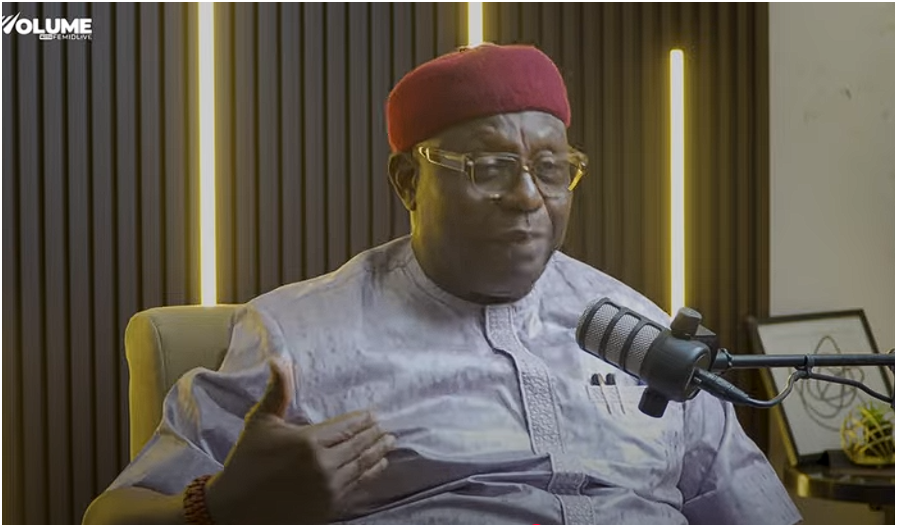
Okoye revealed why collation officers are drawn from academia. “By the time you attain VC, you have something to lose,” he said, citing a professor jailed for falsifying results. The logic: reputational risk deters malpractice.
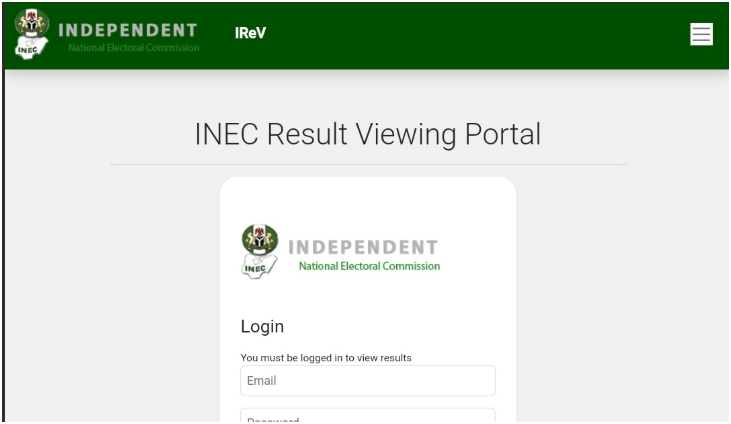
Still, the public check comes from IReV — a parallel transparency tool that allows citizens to view results scanned at polling units even before official collation.
2023 Glitches: Lessons or Excuses?
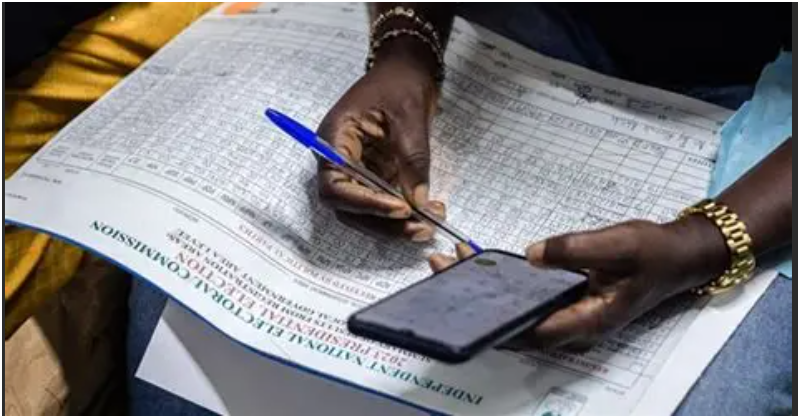
Okoye admitted there were challenges uploading presidential results in 2023 but insisted that physical forms remain the binding legal record. His defense: IReV is supplementary transparency, not the collation authority.
The optics, however, were devastating. Nigerians expected real-time visibility and saw a blackout instead — a vacuum that fed rumor and suspicion.
Why “All Elections in One Day” Is Still a Fantasy
Calls to hold all elections in a single day remain popular. Okoye dismissed the idea as impractical:
- 176,000 polling units, 8,809 registration areas
- 1.5 million ad-hoc staff
- 3,000 boats with naval escort, 88,000 motorbikes, even human carriers
“Conducting elections in a country this big is not child’s play,” he said. Sequencing remains a constitutional power of INEC.
Cleaning a Dirty Voters’ Register
Nigeria’s register still carries the dead. With no reliable civil database, INEC sometimes uses obituaries to clean names. Okoye even proposed striking out citizens who fail to vote in three or four election cycles. He cited cases of multiple registration for cash, exposed by BVAS detection.
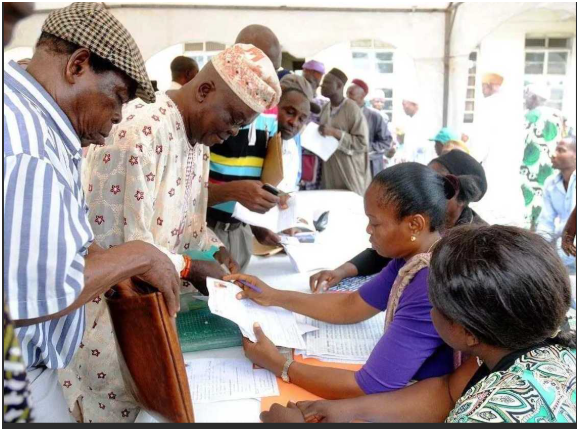
Fear and Cash: Why Voters Stay Away
Turnout challenges are not just technical. Okoye recounted intimidation tactics — roads painted with “vote and die” warnings — and polling units where voters waited for a “money man” to arrive before voting began. Transmission means little if insecurity and vote-buying persist.
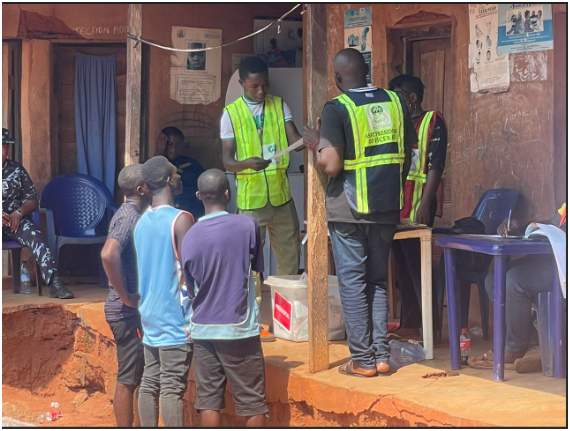
Global Parallels
- Kenya: Real-time electronic uploads boosted trust.
- India: Scale demands sequential collation.
- Ghana: Strong biometric system, rural upload gaps.
Nigeria sits between ambition and constraint — aiming for Kenya’s transparency, wrestling with India’s sprawl.
The 2027 Frontier
INEC is working with telecoms on redundancy and backup systems to avoid 2023’s upload failures. Real-time visibility is the target. Without it, the legitimacy gap will remain.
⚡ Impact Snapshots
- Legal Mandate: BVAS + IReV uploads are compulsory.
- Collation Integrity: Professors collate, IReV provides public oversight.
- 2023 Lesson: Glitches did not void results but shredded confidence.
- Register Problem: Obituaries used; reform proposals floated.
- Security Threat: Intimidation and cash warp turnout.
- Global Lens: Nigeria between Kenya’s transparency and India’s scale.
- 2027 Stakes: INEC–telco partnership must deliver real-time uploads.
This is IDNN. Independent. Digital. Uncompromising.
